Digital Assets / Domain Flipping · Claim Review
“How to start a domain flipping business | USD 2543 Per Month”
What we found: The $2,543 a Month in the Title Is Not Stated in the Video, and the Creator's Five Domains Are Unsold
The creator's own holding is five domains bought for under $20 with an estimated value of about $5,000. No sale or monthly income is given, and the stated yearly costs for those names exceed what was paid for them.
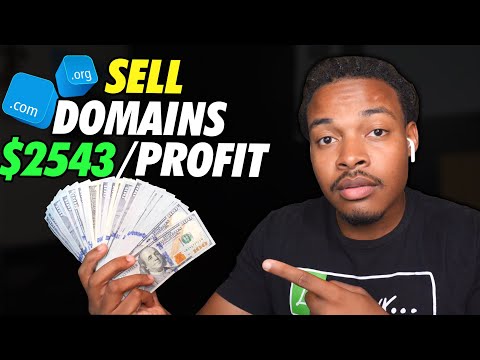
- $2,543 / month Title figure
- 5 for under $20 Creator's domains
- ~$5,000 Estimated value
- $150–$300 Yearly cost, five names
The claim
That a domain-flipping business can earn $2,543 a month (title), and that "profits are a lot, expenses are little" with a start-up cost as low as a few dollars.
- Monthly income in the title — $2,543
- Monthly income stated in the video — None
- Creator's purchase — Five domains for under $20
- Creator's estimate of their value — About $5,000
- Privacy protection — About $10 per domain per year
- Renewal — "$50, $20" depending on the domain
- Virtual address to avoid privacy fees — About $125
- Price quoted to the creator for a finance domain — $100,000
- Record domain sale cited — About $30 million
What is this income idea?
Buy domain names cheaply in a niche you understand, check their estimated value, and hold them until a buyer pays more.
- The creator, who says they are an accountant, starts with a phone call: they asked the owner of a simple finance domain for a price and were quoted around $100,000. That, they say, is why they decided to learn domain flipping and teach it.
- On start-up cost, the creator says you can begin with a couple of dollars, since some domains cost that, while record sales run to about $30 million. On expenses, the main recurring costs are the domain renewal ("$50, $20" depending on the domain) and privacy protection, about $10 per domain per year. With 100 domains, they note, privacy alone is $1,000 a year, and suggest renting a virtual address for about $125 and using a second phone number instead.
- The seven steps are: set a budget (the creator's own range is $10 to $15 a domain); pick a niche (theirs is finance); find names that are short, keyword-rich and searched for; check availability, with local names such as a borough plus a trade; check value with appraisal and past-sales sites; list for sale, and be patient rather than taking the first offer; and know the risks.
- The risks are stated plainly. Names close to existing brands can bring a dispute; money is "locked in until you sell", which might be "tomorrow next year or never"; and value depends on what a particular buyer will pay. "I would never spend 3 million dollars in a domain."
- The creator's own position is five domains bought for under $20 that they estimate at about $5,000. They say they may list them or keep them to build a business. No sale and no monthly income figure is given in the video.
Buy cheap domains in a niche, hold them, and hope a buyer pays much more. The creator holds five, unsold.
- Set a budget — $10–$15 a name
- Pick a niche — Finance, for the creator
- Find keyword names — Short, searched-for
- Check value — Appraisal and past sales
- List and hold — Do not take the first offer
- Sale — None stated
The steps end at "list and wait", and the video does not report what happened after that.
The risk section is better than the title
The lesson underneath the number
- The figure in the title, $2,543 a month, is not mentioned in the video. There is no monthly income, sales total or completed sale of the creator's own anywhere in it. A viewer who clicked for a business earning that amount will find a guide to getting started and a creator who is, by their own account, starting.
- The creator's own position is useful as a case study. Five domains bought for under $20, estimated at about $5,000, and unsold. An estimate is not money. The creator says as much in the risk section: the $20 is "locked in" until a sale, which might come "tomorrow next year or never", and value "is dependable on the markets and also the buyer".
- That risk section is the best part of the video. It names three risks a beginner should know: disputes over names that resemble brands, illiquidity, and value that depends on a single buyer. On the first, the creator's own approach, buying first and worrying later, carries a risk the reader would bear if a brand owner objected.
- The cost section is specific and, on its own terms, correct: privacy at about $10 a domain is $1,000 a year on 100 names. Put the stated renewal and privacy costs against the creator's five names and the yearly cost of waiting exceeds the purchase price several times over. "Profits are a lot, expenses are little" depends on names actually selling.
I might sell it tomorrow next year or never, you never really know, so the money is locked in until you sell those domains.
The creator, on liquidity
The seven steps, as given
Mostly general advice, with one well-made section on risk.
No sale, income or time-to-sale figure is given for any step.
- Set a budget — Start from a couple of dollars upward. The creator's own range is about $10 to $15 a name and they avoid going much higher.
- Pick a niche — Learn one industry and who buys in it. The creator picks finance, reasoning that finance businesses pay for names that bring traffic.
- Find valuable names — Short, keyword-based, searched-for names, and ask why a buyer would want it. Avoid fads that fade.
- Check availability and go local — Search a registrar. Local names, such as a borough plus real estate, can be sold to a local business. If the exact name is taken, try a close alternative or another extension.
- Check the value — Use a registrar's appraisal tool and past-sales sites, and use the reasons behind the value as the pitch to a buyer. "I'm not paid, I'm just sharing the info."
- List it, and be patient — Sell through the registrar or another marketplace. Do not always sell to the first person; holding may bring a better price.
- Know the risks — Brand-similar names can bring a dispute, money is tied up until a sale, and value depends on the buyer.
The business model
One-off domain sales, or keeping a domain and earning from ads on a site built on it.
Businesses in a chosen niche, especially local businesses, and other domain buyers.
A short, keyword-rich or local name that brings traffic and is easy to remember.
Registrar and marketplace listings, and direct sale to interested businesses.
- Domain purchase — From a couple of dollars; $10–$15 is the creator's range
- Renewal — "$50, $20" a year depending on the domain
- Privacy protection — About $10 per domain per year
- Virtual address alternative — About $125; period not stated
- Marketplace commission — Not mentioned
The per-domain costs are stated. What is missing is any sale, so the costs cannot be set against revenue.
What you would actually need
Money
"Profits are a lot, expenses are little." Start with a couple of dollars; the only costs are the domain and privacy.
The first-year price can be a few dollars, but the costs the creator lists recur every year on every unsold name: renewal at "$50, $20" depending on the domain, and privacy at about $10. On their own five domains, that is more each year than the under-$20 they paid.
Stated costs, per domain per year
- Renewal, $20–$50 by the creator's figures
- Privacy protection, about $10
- Or a virtual address, about $125, and a second phone number
- Marketplace commission on sale, not mentioned
- Appraisal and research tools, if paid
Time
A research and patience game, in the creator's words. A sale might come "tomorrow next year or never".
An accurate description. It also means a monthly income figure is hard to support: sales are irregular and the creator's own names had not sold.
What the time goes on
- Learning one niche and its buyers
- Researching names and appraisals
- Listing and handling offers
- Waiting, for an unknown period
- Deciding each year what to renew
The part you must pay attention to
The title says $2,543 a month. The video does not mention that figure or any monthly income.
The only figures about the creator's own domains are a purchase price and an estimated value. Our arithmetic sets the stated yearly costs against them.
- Renewals, stated range — 5 × $20–$50
- Privacy, stated — 5 × $10
$150–$300 a year
To keep the five names, against under $20 paid
The load-bearing assumption is that estimated value turns into a sale. The creator's five names are "worth around $5,000" by estimate; they have not been sold, and the creator says the money is "locked in until you sell it" and a sale might be "tomorrow next year or never". An appraisal is a model's view of a price, not an offer. Reaching the title figure would mean selling about $30,500 of domains a year, roughly six times the estimated value of everything the creator holds.
The costs the creator gives are reasonable to plan with, and the creator does the arithmetic for privacy on 100 names ($1,000 a year). Applied to their own five names, renewal and privacy come to $150–$300 a year by the stated figures, several times the purchase price. That is the cost of waiting, and it is the reason "expenses are little" holds only while the portfolio is small and sells.
- THE TITLE FIGURE (OUR WORKING)
- $2,543 x 12 = $30,516 a year
- Stated in video no
- THE CREATOR'S FIVE DOMAINS
- Paid under $20
- Estimated value ~$5,000 (unsold)
- $30,516 / $5,000 = ~6x their holding
- YEARLY COST TO HOLD THEM
- Renewal 5 x $20-$50 = $100-$250
- Privacy 5 x $10 = $50
- -------------------------------
- Total $150-$300
- Creator's own check: 100 x $10
- privacy = $1,000 (correct)
The economics
Costs per domain are given; income is not.
- Title figure — $2,543 a month
- Title figure, annualised — $30,516
- Creator's purchase — 5 domains, under $20
- Estimated value — ~$5,000
- Renewal per domain — $20–$50 a year
- Privacy per domain — ~$10 a year
- Yearly cost for five — $150–$300
- Sales or income of the creator's own — Not stated
Yearly cost of holding the creator's five domains
5 × ($20 to $50 renewal) + 5 × $10 privacy
$150 to $300 a year, against a purchase price under $20 and no sale
IncomeIdeaLab calculation from figures stated in the video
Renewal is given only as "$50, $20" depending on the domain; cheaper renewals would lower the total. The creator suggests a virtual address of about $125 in place of privacy fees, which pays off only with a larger portfolio.
- Where the $2,543-a-month figure comes from
- Any domain the creator has sold
- Marketplace commission on sales
- How the $5,000 estimate was produced
- The period the $125 virtual address covers
- The creator's privacy arithmetic, 100 domains at $10 is $1,000, is correct.
- The $100,000 quote for a finance domain is an asking price from a seller on a phone call, not a sale.
- The record sale of about $30 million and traffic figures for large sites show the top of the market; they are not linked to any result a beginner could expect.
- The creator says the links in the description are not paid.
Evidence status
Every substantive figure in the video.
- $2,543 per month (title) — Video title — Not stated in the video; no monthly income is given.
- Five domains bought for under $20 — Creator — Names withheld by the creator to avoid hijacking.
- Those domains are worth about $5,000 — Creator — An estimate; unsold.
- Privacy costs about $10 per domain a year — Creator — Their 100 × $10 = $1,000 arithmetic is correct.
- Renewal is "$50, $20" depending on the domain — Creator — Applied to five names, exceeds the purchase price.
- A virtual address costs about $125 — Creator — Period not stated.
- A finance domain was priced at $100,000 — Creator, from a call — An asking price, not a sale.
- The record domain sale was about $30 million — Creator — Top of the market; not a guide to typical sales.
- Profits are a lot, expenses are little — Creator — No profit figure is given; stated costs recur yearly.
What is actually proven?
Costs are stated; income is not.
- The $2,543-a-month title figure; it does not appear in the video.
- Five domains bought for under $20.
- An estimated value of about $5,000 on those domains.
- $150–$300 a year to keep them, by the stated costs.
- A clear account of three risks, including illiquidity.
- Any completed sale or monthly income of the creator's own.
What the headline doesn’t tell you
The title figure is the one number the video does not discuss.
- $2,543 is not in the video. — No monthly figure at all.
- The five names are unsold. — "Tomorrow next year or never."
- $5,000 is an estimate. — Not an offer or a sale.
- Costs recur yearly. — $150–$300 for five, by stated figures.
- $100,000 was an asking price. — For someone else's domain.
- Brand-like names carry risk. — For the person who registers them.
Should you try it?
Read the risk section, ignore the title figure
A few cheap names in a niche you know is an affordable experiment. Budget for renewals and expect sales to be irregular.
- Evidence for the title figure — 0 — Not stated in the video.
- Cost disclosure — 6 — Renewal and privacy given per domain.
- Risk disclosure — 7 — Disputes, liquidity and buyer-dependent value all named.
- Specificity of the method — 4 — General steps; few worked examples.
- Disclosure of interests — 7 — States the links are not paid.
- Beginner accessibility — 5 — Cheap to start; returns are slow and uncertain.
- Buying a handful of domains in a niche you understand is cheap to try, and the creator's steps (budget, niche, keyword names, appraisal, patience) are a reasonable outline.
- Do not plan around $2,543 a month. The video does not explain that figure, and the creator's own names are unsold. An appraisal of $5,000 is a starting point for a conversation with a buyer, not money in hand.
- Plan for the yearly bill. By the creator's figures each name costs $20 to $50 to renew and about $10 for privacy. Decide each year which names have earned another year, and drop the rest.
- Take the risk section seriously, especially on names that resemble a brand. Buying first and dealing with objections later puts the risk on you.
Passive or automated?
Automation
Listings wait on their own; research and negotiation do not.
Passive potential
Holding is passive; income is irregular and may not come.
Once bought and listed, domains need little attention until an offer arrives, which is why the creator calls it a holding and patience game. The work is in choosing names well, deciding what to renew, and negotiating when a buyer appears. Because sales are irregular, a steady monthly income would need a much larger portfolio than the five names the creator holds, with renewal costs to match.
- Researching niches and names
- Checking appraisals and past sales
- Negotiating with buyers
- Deciding each year what to renew
- Handling any dispute over a name
Recommended beginner experiment
Small, tracked, and honest about time.
- Pick one niche you know. — As the creator does with finance.
- Buy five names at $10–$15. — The creator's own range.
- Check each against past sales. — Not only an appraisal.
- Avoid names close to a brand. — The risk falls on you.
- Note each renewal date and price. — $20–$50 by the stated figures.
- Track every offer for a year. — Then compare with the costs.
- Renew only names that drew interest. — Holding is not free.
Our verdict: 2/10
A beginner's guide with a title figure the video does not support five unsold domains, an estimated value, and yearly costs that exceed the purchase price
Credited for stating per-domain renewal and privacy costs and doing the privacy arithmetic correctly, for a clear section on risk that names illiquidity and buyer-dependent value, and for stating that the links are not paid. Marked down because the $2,543-a-month figure in the title is not stated anywhere in the video, no sale or income of the creator's own is given, the $5,000 is an estimated value on five unsold names, and the stated yearly costs for those names exceed what was paid for them.
The title promises $2,543 a month; the video does not mention that figure and gives no monthly income, sales total or completed sale of the creator's own. What it does give is an outline for getting started: set a budget, pick a niche, find short keyword names, check appraisals and past sales, list them, and be patient. The creator's own holding is five domains bought for under $20 and estimated at about $5,000, unsold. The cost section is specific, and the creator's arithmetic on privacy is correct; applied to their five names, the stated renewal and privacy costs come to $150 to $300 a year, several times the purchase price. The risk section is the most useful part: money is locked in until a sale that might come "tomorrow next year or never", and value depends on a buyer. Read the video as a beginner's outline from someone starting out, not as a report of a business earning the amount in its title.
- Title figure — $2,543 a month (not in video)
- Creator's domains — 5, bought for under $20
- Estimated value — ~$5,000, unsold
- Yearly cost to hold five — $150–$300
- Sales or income — Not stated
- Beginner suitability — Cheap test, slow returns
Sources
- How to start a domain flipping business | USD 2543 Per Month — TommyBryson — YouTube video, 2019-10-08
- FTC — Guides Concerning the Use of Endorsements and Testimonials — Regulatory guidance on endorsements and earnings claims