YouTube / Personal Finance Channel · Income Report Review
“How I Built 5 Income Sources That Make USD 42,407 Per Month”
What we found: A $42,407 Month That Adds Up, Led by YouTube Ads and Helped by a One-Off Stock Sale
Five January income sources reconcile to the title within about $850. The creator says it was a strong month, the following month was running lower, and one source was a single stock sale.
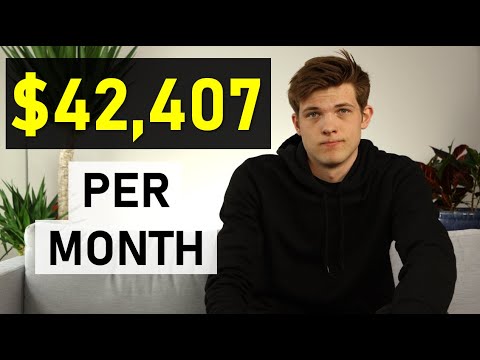
- $30,431.82 YouTube ad revenue, January
- $42,407 Stated total
- ~$10.49 Revenue per 1,000 views
- ~$2,900 One-off share
The claim
That five income sources brought in $42,407 in one month, January, about six times the creator's monthly income a year earlier.
- YouTube ad revenue, January — $30,431.82
- Views behind it — About 2.9 million
- YouTube ad revenue, December — About $24,000
- YouTube ad revenue, last 28 days in February — About $23,000
- Sponsors and affiliates — Over $8,000, detail withheld under contract
- Realised gain on Facebook shares — About $2,900
- Dividends — About $71
- Savings interest — About $150, at about 1.7%
- Sum of the stated figures — ~$41,600
- Income a year earlier — About $7,200 a month
- Growth multiple — ~5.9×
- Tax, editing, equipment and other costs — Not stated in the video
What is this income idea?
Run a personal-finance YouTube channel, where advertisers pay more per view, and add sponsorships, affiliate links and investment income on top.
- The creator, 21 at recording and posting since 18, gives five income sources for January. They say a year earlier they were making about $7,200 a month and that it has since grown "about six fold".
- YouTube ad revenue is the main source: $30,431.82 in January from about 2.9 million views. The creator gives December at about $24,000 and the latest 28 days of February at about $23,000, and says some months come in "less than this by 50% or more".
- They explain the rate by niche. Banks and brokerages pay large sums to acquire customers, bid against each other for ads on finance videos, and the creator receives 55% of the ad revenue with YouTube keeping 45%. They give examples at both ends: a video that made over $20,000 from a million views and minimalism videos that made $4,000 to $5,000 from 1.5 million.
- Sponsors and affiliates brought in over $8,000. The creator says contracts prevent more detail, gives an example of $100 to $150 per bank-account sign-up through a link, and says they have been taking fewer sponsorships.
- The remaining three are investment income: about $2,900 realised by selling Facebook shares bought at about $150 and sold just over $200, about $71 in dividends, and about $150 in interest from savings at about 1.7%. The creator says they are not a financial advisor and are not selling a course.
A finance channel with millions of monthly views, earning mostly from ads, in a month the creator calls better than usual.
- Finance videos — High-paying niche
- ~2.9M views — In January
- Ad revenue — $30,431.82
- Sponsors and links — Over $8,000
- Stock sale — ~$2,900, one-off
- Dividends and interest — ~$221
- Month total — $42,407 stated
Over 90% of the month depends on one YouTube channel, as the creator says.
The niche is the business model
The lesson underneath the number
- The most useful part of this video is the explanation of why one channel earned $30,431.82 from about 2.9 million views, which is roughly $10.49 per thousand views by our arithmetic. The creator is in personal finance, where banks and brokerages pay heavily to acquire customers and bid against each other for ad slots. The contrast they give is the clearest evidence: one video made over $20,000 from a million views, while minimalism videos, where the message is to buy less, made $4,000 to $5,000 from 1.5 million.
- The figures are presented with more care than most income reports. The ad revenue is given to the cent with the month either side, the creator says some months are half as good or worse, and they explain February's lower figure by fewer uploads and a holiday. They say they cannot detail sponsorship income because of contracts, and give a range per affiliate sign-up instead. The five figures add up to within about $850 of the title, which fits the unstated part of "over $8,000".
- Two things to keep in mind. First, about $2,900 of the month is a gain from selling shares held for years, so it is not repeatable monthly income; the creator says as much and credits rising markets rather than skill. Second, every figure is before tax and costs. Concentration is the other point the creator raises: sponsors and affiliates are also tied to the channel, so over 90% of the month depends on one YouTube account.
- There are affiliate links in the creator's descriptions, which they state openly as an income source and use as an example. The video does not promote a course, and the creator says so at the start.
Sometimes it's less than this by 50% or more.
The creator, on the month's ad revenue
The five sources, as the video gives them
In the order the creator presents them.
No costs or tax figures are given for any source.
- Sell an investment at a gain — About $2,900 realised by selling Facebook shares held for several years, bought at about $150 and sold just over $200. The creator says it is irregular, that gains are only counted when sold, and that rising markets did much of the work.
- Earn ad revenue in a high-paying niche — $30,431.82 from about 2.9 million views in January. The creator receives 55% of ad revenue and attributes the rate to finance advertisers bidding against each other.
- Take sponsorships and affiliate links — Over $8,000 in the month, with an example of $100 to $150 per bank-account sign-up through a link. Exact earnings are withheld, which the creator attributes to contracts.
- Hold dividend stocks — About $71 in the month. The creator presents this and interest as the sources anyone can start with a small amount and no audience.
- Keep cash in a high-interest account — About $150 a month at about 1.7%. The creator says they are holding more cash than usual while looking for new investments.
The business model
YouTube ad revenue share, paid sponsorships, affiliate commissions per sign-up, plus investment gains, dividends and interest.
Advertisers and sponsors, mainly in finance, paying to reach viewers of personal-finance videos.
An audience interested in saving and investing, which financial companies pay a premium to reach.
YouTube, with Instagram mentioned as a secondary channel.
- YouTube's share of ad revenue — 45%, already deducted from the $30,431.82, per the creator
- Income tax — Not stated. The creator says they count interest as income because it is taxed
- Equipment and software — Not stated
- Editing or other help — Not stated
- Capital tied up in investments — Not stated; about $106,000 in savings implied by the interest line, our arithmetic
The video gives income only. For a solo YouTube channel the main costs are usually time and tax rather than cash, but neither is quantified.
What you would actually need
Money
The dividend and interest sources are presented as something anyone can start, "if you have five dollars".
True as a starting point, but the amounts here need capital. By our arithmetic, $150 a month at 1.7% is about $106,000 held in savings, and a $2,900 gain at $55–$60 a share is roughly 50 Facebook shares bought at about $150, or about $7,500.
Capital behind the investment lines (our arithmetic)
- About $106,000 in savings for $150 a month at 1.7%
- About $7,500 in Facebook shares for a ~$2,900 gain
- A dividend portfolio of unstated size for $71
- Camera and editing set-up, not priced
- Any editing help, not mentioned
Time
About three years on YouTube, starting at 18 with early videos the creator calls "absolutely horrendous".
The time is stated plainly. The ad revenue depends on recent uploads: the creator links a weaker February to having put out only four or five videos in January and taking a holiday.
Where the time goes
- About three years of regular uploads
- Learning to speak on camera from scratch
- Four or five videos in a month to sustain revenue
- Managing sponsor and affiliate contracts
- Researching investments
The part you must pay attention to
One good month, one channel, and one sale that will not repeat.
The creator gives the total as "a little bit over $42,000 from this past month", and the title gives $42,407.
- YouTube ads — $30,431.82
- Sponsors and affiliates — >$8,000
- Stock sale — ~$2,900
- Dividends and interest — ~$221
~$41,600
Plus the unstated part of "over $8,000"
The total reconciles: the stated figures come to about $41,600, and the remaining ~$850 fits inside "over $8,000" from sponsors and affiliates, where the creator says contracts prevent more detail. The question is how representative the month is. The creator says January was "a really good month", that some months are 50% or more lower, and that February was running at about $23,000 in ad revenue over 28 days against $30,431.82 in January. About $2,900 is a realised gain from shares held for years, which is not monthly income in the usual sense. Without it, and with February's ad pace, the same five sources would come to nearer $31,000 to $32,000.
Every figure is also gross. The creator receives 55% of ad revenue, so the $30,431.82 is already their share, but tax, equipment, any editing help and other costs are not stated. Read $42,407 as one strong, documented month of gross income from a channel with millions of monthly views, and the creator as candid that it varies.
- THE FIVE, ADDED (OUR ARITHMETIC)
- YouTube ads $30,431.82
- Sponsors/affil. $8,000+
- Stock gain ~$2,900
- Dividends ~$71
- Interest ~$150
- ----------------------------
- Stated parts ~$41,553
- Title $42,407
- Gap ~$854
- -> fits "over $8,000"
- RATE PER 1,000 VIEWS
- $30,431.82 / 2,900 ~$10.49
- A MORE TYPICAL MONTH?
- Ads at Feb pace ~$23,000
- Sponsors/affil. ~$8,000
- Dividends+interest ~$221
- No stock sale $0
- ----------------------------
- ~$31,200
The economics
A month that reconciles, with the variation stated alongside it.
- YouTube ad revenue, January — $30,431.82
- Views, January — ~2.9 million
- Revenue per 1,000 views — ~$10.49
- Ad revenue, December / February to date — ~$24,000 / ~$23,000
- Sponsors and affiliates — Over $8,000
- Stock sale gain — ~$2,900
- Dividends and interest — ~$221
- Share of month from YouTube ads — ~72%
- Tax and costs — Not stated in the video
Reconciling the five sources with the title
$30,431.82 + $8,000 + ~$2,900 + ~$71 + ~$150 = ~$41,553, against $42,407
A gap of about $850, which fits within "over $8,000" from sponsors and affiliates
IncomeIdeaLab calculation from the figures stated in the video
All figures are gross and before income tax. The stock gain is a one-off realised over several years. The creator says the month was stronger than usual.
- Income tax on the month
- Equipment, software and any editing help
- Exact sponsor and affiliate earnings, withheld under contract
- A typical or average month
- Size of the savings and dividend holdings
- About $7,200 a month a year earlier, multiplied by six, is $43,200. The stated $42,407 is about 5.9 times the earlier figure, consistent with "about six fold".
- $150 a month in interest at 1.7% a year is $1,800 a year, matching the creator's "couple thousand dollars a year". It implies about $106,000 held in savings; that is our arithmetic.
- A gain of about $2,900 at $55–$60 a share is roughly 48 to 53 shares, or about $7,500 at the stated purchase price of about $150. Our arithmetic.
- The creator says they receive 55% of ad revenue and YouTube keeps 45%, so the $30,431.82 is already the creator's share.
- The highest day in January is given as about $1,373 and the lowest at just under $600, during a holiday. An average January day is about $982 by our arithmetic.
Evidence status
Every substantive claim in the video.
- $42,407 from five sources in one month — Creator — The stated parts add to within about $850, which fits "over $8,000" from sponsors.
- $30,431.82 in YouTube ad revenue in January — Creator, from the YouTube app — About $10.49 per 1,000 views on ~2.9 million views.
- December about $24,000; February about $23,000 in 28 days — Creator — Shows the month-to-month range alongside the headline.
- Creator receives 55% of ad revenue — Creator — Stated as the split at recording.
- Over $8,000 from sponsors and affiliates — Creator — Detail withheld; the creator cites contracts.
- $100–$150 per bank-account sign-up — Creator — Given as an example, not as this month's figure.
- About $2,900 from selling Facebook shares — Creator — A one-off gain over several years, stated as such.
- About $71 in dividends and $150 in interest — Creator — The interest implies about $106,000 in savings at 1.7%.
- Income grew about sixfold from $7,200 a month — Creator — About 5.9 times. Consistent.
- A video made over $20,000 from a million views — Creator — We could not check this from the video.
- Tax and costs — Nobody — Not stated in the video.
What is actually proven?
The month reconciles. How typical it is, the creator answers themselves.
- The five stated sources add to within about $850 of the title.
- YouTube ad revenue of $30,431.82 in January, with the months either side.
- About $10.49 in revenue per 1,000 views.
- The creator says some months are 50% or more lower.
- About $2,900 is a one-off gain on shares held for years.
- Affiliate links and sponsorships are stated as income.
- Tax and costs for the month.
- An average month across the year.
What the headline doesn’t tell you
A real month, and the creator says it was a good one.
- January was a strong month. — The creator says so.
- February ran lower. — About $23,000 in ads.
- $2,900 will not repeat. — A one-off share sale.
- About 72% is YouTube ads. — One channel.
- It is gross. — Tax not stated.
- Finance pays more. — Minimalism videos paid far less.
- $150 interest needs capital. — About $106,000 at 1.7%.
- Three years to get here. — From age 18.
Should you try it?
A useful benchmark, not a starting expectation
The month is documented and reconciles. It comes from three years of uploads and millions of monthly views in the best-paying niche on the platform.
- Arithmetic consistency — 9 — Parts add to the title within the stated range.
- Specificity of the figures — 8 — Ad revenue to the cent, with the months either side.
- Candour about variation — 9 — Says some months are 50% or more lower.
- Cost and tax disclosure — 2 — Not stated in the video.
- Conflict of interest — 7 — Affiliate income stated openly; no course.
- Repeatability of the month — 5 — Includes a one-off stock gain and a strong ad month.
- Beginner accessibility — 4 — Needs years of uploads and a large audience in one niche.
- If you are thinking about a YouTube channel, the key lesson here is the niche, not the total. The creator's own comparison makes the point: finance videos that made over $20,000 from a million views, and minimalism videos that made a fraction of that from more. Advertisers pay for audiences they want to sell to, and financial companies pay the most.
- Treat the $42,407 as a high point. The creator says January was a really good month, gives February at a slower pace, and says some months are half as much or less. About $2,900 of the total is a share sale that will not repeat. A more typical month on the same sources, by our arithmetic, sits nearer $31,000, and every figure is before tax.
- The investment lines are presented as open to anyone with a few dollars, which is true as a start. The amounts shown need capital: $150 a month in interest at 1.7% implies about $106,000 in savings. Expect dividends and interest on small balances to be a few dollars, not hundreds.
- The creator is clear about concentration risk: sponsors and affiliates also depend on the channel, so almost everything rests on one YouTube account. They also note affiliate links in their descriptions as an income source, which is a fair disclosure for a viewer to weigh against recommendations.
Passive or automated?
Automation
Ads are served and paid automatically; the videos are not made automatically.
Passive potential
Old videos keep earning, but revenue falls when uploads slow.
Ad revenue on existing videos continues without further work, which is a real advantage, and dividends and interest need nothing once the capital is in place. But the creator ties February's drop directly to uploading only four or five videos in January and taking a holiday, so the main source depends on continued production. Sponsorships need negotiating and fulfilling, and the investment income needs a large balance first.
- Writing, filming and editing videos
- Keeping a regular upload schedule
- Negotiating and fulfilling sponsorships
- Managing affiliate links
- Making investment decisions
Recommended beginner experiment
Test the niche before projecting income.
- Pick a niche advertisers pay for. — Finance is the video's example.
- Publish on a steady schedule. — Revenue follows recent uploads.
- Expect a slow start. — The creator took about three years.
- Track revenue per 1,000 views. — About $10.49 here.
- Record every month, not the best. — The creator says months vary by 50%.
- Disclose affiliate links. — As the creator does.
- Set aside money for tax. — Not covered in the video.
- Diversify beyond one channel. — The creator's own concern.
Our verdict: 7/10
A documented month that adds up, with its variation stated mostly YouTube ads in a high-paying niche, plus a one-off stock gain
Credited for giving ad revenue to the cent with the months either side, for five figures that add to within about $850 of the title, for saying the month was stronger than usual and that some months are 50% or more lower, for explaining why a finance channel earns more per view with a contrasting example, for stating that the stock gain is a one-off driven by rising markets, for naming affiliate income openly, and for promoting no course. Marked down because every figure is gross with no tax or cost stated, because about $2,900 of the month will not repeat, and because the investment lines need far more capital than the "five dollars" framing suggests.
This is one of the more carefully presented income reports of its kind. The creator gives YouTube ad revenue to the cent for January, puts it alongside December and February, and says plainly that some months are 50% or more lower. The five sources add to within about $850 of the $42,407 in the title, a gap that fits the unstated part of "over $8,000" from sponsors and affiliates. The explanation of why a finance channel earns about $10.49 per thousand views, with minimalism videos as the contrast, is the most useful lesson in it. The figures need two adjustments before anyone uses them as a target. About $2,900 is a one-off gain on shares held for years, which the creator presents as such, and every figure is gross, with no tax or cost stated. With February's ad pace and no share sale, the same sources come to about $31,000. The investment income is real but needs capital: the interest line alone implies about $106,000 in savings. As a benchmark for what a large finance channel can earn in a good month, it is credible and consistent.
- Stated total — $42,407
- Sum of stated parts — ~$41,553
- YouTube ads, January — $30,431.82
- Per 1,000 views — ~$10.49
- One-off stock gain — ~$2,900
- More typical month — ~$31,000
- Tax and costs — Not stated
- Beginner suitability — Benchmark, not expectation
Sources
- How I Built 5 Income Sources That Make USD 42,407 Per Month — Nate O'Brien — YouTube video, 2020-02-11
- FTC — Guides Concerning the Use of Endorsements and Testimonials — Regulatory guidance on affiliate and sponsorship disclosure