Solo Software · Claim Review
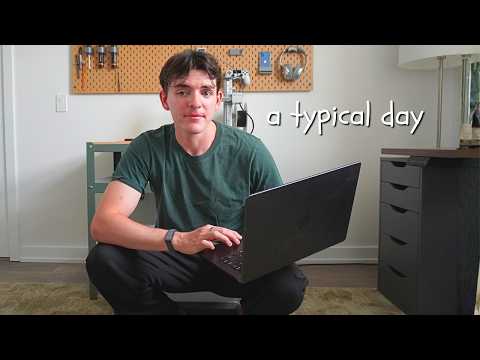
“How I Work: $40K/Month Solo App Builder”
What we found: A "$40K/Month" Solo Builder Whose Own On-Screen Posts Show $212K for 2025 and MRR of $20K+
The $40,000 is said once and never broken down. A brief montage of the creator’s posts shows a Stripe MRR chart at $10,017.37 and a 2025 summary at about half the title; no cost or profit is given.
- Once "$40,000" said
- $212k 2025 revenue on screen
- $10,017 Stripe MRR on screen
- Never mentioned Costs, profit, team
The claim
That they make $40,000 a month as a solo app builder.
- The claim — "I make $40,000 a month as a solopreneur"
- Position in video — The second sentence; not repeated
- Breakdown by product — None
- Stripe MRR chart in an X post (5 April 2025) — $10,017.37 — On screen at about 4:24
- "2025 wrapped" X post (24 December 2025) — $212k total 2025 revenue; MRR $1,000 → $20k+; daily average $35 → $700 — The creator’s own post, on screen at about 4:33
- Lowest point — "I really thought that I was peaked at 3,000 with my mobile app"
- Recovery — "It hit like its peak month at 15,000 a month" — The Stripe card on screen at about 4:30 reads CA$15.0K net volume for Jan 2024 - Dec 2024, partly blurred
- What happened to that app — "I kind of ditched the mobile app"
- What actually grew — A social scheduling tool built to market the app
- Relative scale — "10 times, 100 times bigger" than the mobile app
- Hours — "Some weeks I work 4 hours a week, sometimes 40"
- Costs, profit, platform fees, team — Never mentioned
- Timeline — The breakdown was "only 2 and 1/2 years ago"
What is this income idea?
Build things you personally want, then build the thing that markets them — and notice when the second one outgrows the first.
- This is a routine video. The day starts around seven or eight, a workout, a shower, coffee, and then customer support before anything else — deliberately, because it is the task they like least and the one they think matters most.
- The product sequence is the genuinely interesting part and they tell it in order. They made a mobile app for themselves; "turned out 100 other thousand people also wanted it." Then they needed a way to grow it, so they built a second tool for that purpose — a social scheduling product.
- That second tool "grew like so fast that I kind of ditched the mobile app." Their own description of the scale difference: "10 times, 100 times bigger." Then they built another mobile app specifically so they could be their own case study for the scheduling tool.
- The emotional core is unusually honest. "Only 2 and 1/2 years ago, I like broke down one summer. I was crying with my fiancé on a walk and I just didn't think I'd be able to do it. I really thought that I was peaked at 3,000 with my mobile app." Two months later it turned, and "it hit like its peak month at 15,000 a month."
- On hours they refuse the usual claim: "some weeks I work 4 hours a week, sometimes 40." They also admit it took them two years into their relationship to learn to stop working at dinner.
- And the number in the title is spoken once, in the second sentence, with no product attached to it and no mention afterwards. A quick montage at about 4:24–4:35 shows the creator’s own posts instead: an X post from 5 April 2025 with a Stripe MRR chart at $10,017.37 ("my little startup just hit 10k mrr"), a partly blurred Stripe "Net volume from sales" card reading CA$15.0K for Jan 2024 – Dec 2024, and a "2025 wrapped" post from 24 December 2025 listing $212k of total revenue for 2025, MRR from $1,000 to "$20k+", daily average revenue from $35 to $700, a portfolio from one app to six and X followers from 5k to 69k. Cost, profit, Apple and team are not mentioned.
An honest, likeable routine video with one good product lesson, whose headline figure is said once; the creator’s own posts on screen put 2025 at about half of it.
- Build for yourself — A mobile app
- 100,000 people want it — "Curiosity quenched"
- Build a tool to market it — Social scheduling
- The tool outgrows the app — "10x, 100x bigger"
- Ditch the app — Their own word
- Build another app — As their own case study
- Support first each morning — Least favourite, highest leverage
- Stop at dinner — Took two years to learn
A real product progression, where the thing that worked was built to sell the thing that didn’t.
The marketing tool became the business. That is the story.
The lesson underneath the number
- The genuinely valuable idea here gets one sentence. They built a mobile app that people wanted, then built a second product purely to help them grow the first — a social scheduling tool. The second grew so much faster that they describe it as ten to a hundred times bigger and say they "kind of ditched the mobile app." Then, needing something to demonstrate the scheduling tool with, they built another app to be their own case study. That is a coherent and slightly unusual way to operate: treat your marketing infrastructure as a product, and be willing to drop the original when the support act outgrows it.
- The routine advice around it is better than average too. Customer support before anything else, chosen deliberately because it is the least pleasant task and the one with the most leverage, with a stated causal chain from fast replies to retained paying users. And a validation test that focuses on presentation rather than inspiration — put up a landing page, and if a thousand people arrive and none of them buy, the fault lies with the idea or with how you have framed it, and framing is the part you can fix.
- What earns the most goodwill is the honesty about the bad part. Two and a half years ago they broke down on a walk with their partner, convinced three thousand a month was as far as the business would ever go. Two months later the same product reached a peak month five times that size. They also refuse the standard claim about hours, saying plainly that some weeks are four and some are forty, and admit it took them two years to learn to stop working at dinner. Those are real disclosures and they are why the video is worth ten minutes.
- The number is the weakest part of it. Forty thousand a month is stated in the second sentence and never again, with no product attached, no split, and no indication whether it means revenue or income. The figures shown on screen come from the creator’s own posts in a brief montage: a Stripe MRR chart at $10,017.37 in April 2025, and a 2025 summary of $212k in revenue and MRR above $20k, across a portfolio that grew from one app to six. Those describe a real and growing business at about half the title. The spoken "peak month" of fifteen thousand sits beside a Stripe card reading CA$15.0K for a period labelled January to December 2024. Cost, profit, Apple and team are not mentioned, so nothing connects any of these revenue figures to what they keep.
That grew like so fast that I kind of ditched the mobile app.
The best business lesson in the video, delivered in passing
What they actually describe
Take the sequencing lesson and the support habit. The number is decoration.
Figures are as the founder states them, plus those in the founder’s own posts and Stripe screenshots shown in a montage at about 4:24–4:35. "$40,000" is said once. We do not assert spellings of the founder’s name or the scheduling tool’s name.
- Do the worst task first, on purpose — Customer support before anything else, for two stated reasons: "it's my least favourite thing to do" and "it's also the thing that I think matters the most." They link it directly to growth — faster replies, happier payers, users who stick.
- Build what you personally want — "Every idea that I make is for myself firstly." Their warning is sharper than the advice: people copy someone else’s winning niche, find it is unrelated to anything they care about, and stop — "even if it is a great idea with a lot of money in it, they're not going to have fun."
- Notice when the marketing outgrows the product — The scheduling tool was built to grow the mobile app, then became the business. "That grew like so fast that I kind of ditched the mobile app." Then they built a new app to serve as their own case study for it. The best structural lesson in the video.
- Test framing, not ideas — "I tend not to ask myself is this a good idea? I tend to ask myself more, how can I frame this where it's valuable?" Their test is a landing page: if a thousand people arrive and none click buy, the problem is the idea or the way it is presented.
- Give the real range of hours — "Some weeks I work 4 hours a week, sometimes 40." That is a materially more honest answer than the fixed low number these titles usually promise, and they volunteer it in the same breath as the income claim.
- Say how bad it got — Crying on a walk with their partner two and a half years ago, convinced $3,000 a month was their ceiling. Two months later the same product reached a peak month of $15,000. Rare, specific and dated.
- Admit the boundary took years — "For the first two years of my relationship with my now fiancée, I had to kind of figure that out — that I had to set a stop time." The routine is presented as something learned late, not as a personality trait.
- And the headline — "$40,000 a month" is said once, in the second sentence, with no product, no split, no indication whether it is revenue or profit, and no return to it in the remaining ten minutes. The highest figures on screen — $212k for 2025 and MRR of "$20k+" in the creator’s own post — are about half of it.
The business model
Not broken down. A social scheduling subscription tool is the main product; the creator’s own 2025 summary post lists a portfolio of six apps and SaaS products, $212k of 2025 revenue and MRR of "$20k+". A mobile app previously reached a spoken peak month of $15,000 and was abandoned.
People who post to social platforms on a schedule, plus the users of their mobile apps; the creator’s 2025 post lists 69k X followers.
Tools they built because they wanted them themselves, then sold to people with the same need.
Landing pages and social posts, tested by whether visitors click buy. No paid channel is described.
- App store commission — Never mentioned
- Hosting and infrastructure — Never mentioned
- Social platform access — Core to a scheduling tool. Never mentioned
- Marketing — Never costed
- Profit — Never stated
This is a routine video rather than a business teardown. Its financial detail is two spoken figures for a discontinued product and a few seconds of the creator’s own revenue posts; no cost appears.
What you would actually need
Money
Nothing is costed. Cost, profit and Apple are not mentioned in the video.
For a business spanning mobile apps and a subscription SaaS tool, the omissions are total. App store commissions, hosting, the social platform APIs a scheduling tool depends on, and whatever the marketing costs — none of it is mentioned, and neither is profit.
Never mentioned
- App store commission on any mobile revenue
- Hosting and infrastructure for a scheduling tool
- Access to the social platforms the tool posts to
- Any marketing spend
- Profit, or whether $40,000 is revenue
- How the $40,000 splits across products
Time
Highly variable — four hours some weeks, forty in others — with a hard stop at dinner most days and work finishing around five.
A plain statement of a claim this format often makes, and they do not present the low weeks as the norm. What the video does not give is how long any of it took to build, beyond the breakdown having happened two and a half years ago.
The arc as given
- Built a first mobile app for themselves; ~100,000 users
- Built a social scheduling tool to market it
- 2.5 years ago — the low point, stuck at $3,000/month
- Two months later — a peak month of $15,000
- The scheduling tool outgrew the app "10x, 100x"
- Abandoned the mobile app
- Built a new app to be their own case study
- Now: hours vary, work stops around 5pm
The part you must pay attention to
The figures shown on screen are about half the one in the title.
The title says $40,000 a month. The creator’s own "2025 wrapped" post, shown at about 4:33, lists $212k of total revenue for 2025 and MRR of "$20k+".
- 2025 total revenue, creator’s own post — $212,000
- Months — ÷ 12
~$17,700/month
The 2025 average, against $40,000 in the title
The forty thousand is said once, in the second sentence, with nothing attached to it: no product, no split between the scheduling tool and whatever else, no indication whether it describes revenue or what they keep. The figures the video does show come from a quick montage of their own posts. An X post from 5 April 2025 carries a Stripe MRR chart at $10,017.37. A "2025 wrapped" post from 24 December 2025 lists $212k of total revenue for the year, MRR rising from $1,000 to "$20k+" and daily average revenue from $35 to $700 — about $17,700 a month on average across 2025, or about $21,000 a month at $700 a day (our arithmetic). Those are roughly half the title. The video was published in August 2026, and nothing on screen or in the audio connects the 2025 figures to the $40,000. Cost, profit, Apple and team are not mentioned, so there is no way to move from revenue to what they keep.
This is a routine film and the person in it is unusually candid — about crying on a walk two and a half years ago convinced they had hit their ceiling, about weeks that run to forty hours as often as four, about needing two years to learn to close the laptop at dinner. Those disclosures cost them something and they are the reason to watch. The gap is between title and content: a figure is placed in the title, said once, and the only figures shown on screen — the creator’s own posts — are about half of it. The genuinely valuable business lesson inside it is not in the title either — that the tool they built to market their product became a business ten to a hundred times larger than the product, and that they were willing to drop the original when that became obvious. That is a better story than forty thousand a month, and it is told in one sentence in passing.
- THE TITLE
- "$40,000" said once
- Position second sentence
- ON SCREEN (creator's own posts)
- Stripe MRR, 5 Apr 2025 $10,017.37
- 2025 total revenue $212k
- $212k / 12 ~ $17,700/mo
- 2025 MRR $1,000 -> $20k+
- Daily avg $700 x 30 ~ $21,000/mo
- THE MOBILE APP, AS SPOKEN
- Perceived ceiling $3,000
- "Peak month" $15,000
- Stripe card on screen CA$15.0K,
- labelled Jan-Dec 2024
- Product status abandoned
- WHAT REPLACED IT
- A social scheduling tool,
- originally built to market the app
- Relative scale "10x, 100x bigger"
- Revenue figure not given
- NOT MENTIONED
- Cost, profit, Apple, team
- HOURS, AS STATED
- "4 hours a week, sometimes 40"
The economics
Two spoken figures for a discontinued product, a few seconds of the creator’s own revenue posts, and no costs.
- Stated monthly income — $40,000
- Times stated — Once, in the second sentence
- Stripe MRR chart, X post 5 April 2025 — $10,017.37
- 2025 total revenue, creator’s own post — $212k
- 2025 monthly average — ~$17,700
- MRR by end of 2025, creator’s own post — "$20k+"
- Revenue or profit — Not specified
- Split across products — Never given
- Mobile app — perceived ceiling — $3,000/month
- Mobile app — peak month, as spoken — $15,000 — The Stripe card on screen reads CA$15.0K for Jan 2024 - Dec 2024, partly blurred
- Mobile app — status — Abandoned
- Scheduling tool scale — "10x, 100x bigger" — no figure
- Working hours — 4 to 40 per week
- Costs, profit, platform fees, team — Never mentioned
The title against the figures on screen
$212k ÷ 12 ≈ $17,700 a month (2025 average); $700 a day × 30 ≈ $21,000 a month; MRR "$20k+"
The 2025 figures in the creator’s own posts are roughly half the $40,000 in the title
IncomeIdeaLab calculation from the creator’s posts shown on screen at about 4:24–4:35
The posts date from 2025 and the video from August 2026, so the business may have grown since; the video does not say. The figures are revenue; no cost or profit is given. The scheduling tool is described as ten to a hundred times larger than the mobile app, but no figure is given for it alone.
- How the $40,000 divides between products
- Whether $40,000 is revenue or what they keep
- How the 2025 figures in their posts grew to the $40,000 in the title
- Any revenue figure for the scheduling tool — the main business
- App store commission on mobile revenue
- Hosting, infrastructure and social platform access costs
- Profit of any kind
- When the $15,000 peak month occurred, and in which currency
- The "peak month at 15,000" is explicitly a peak, not a sustained rate, and belongs to a product they no longer works on. The Stripe "Net volume from sales" card shown at about 4:30 is partly blurred and reads CA$15.0K, in Canadian dollars, with a date range of Jan 2024 – Dec 2024.
- The video gives no spoken figure for the scheduling tool, which they describe as the larger business. The April 2025 Stripe MRR chart at $10,017.37 is posted with the words "my little startup just hit 10k mrr"; the post does not name the product.
- The "2025 wrapped" post also lists X followers growing from 5k to 69k — an audience the routine itself does not discuss.
- Their first app is said to have reached roughly 100,000 users; no revenue figure accompanies that.
- The stated range of hours — four to forty a week — is notably more honest than comparable titles in this format.
- The low point is dated ("only 2 and 1/2 years ago"), which is unusual and useful.
Evidence status
Every substantive claim in the video.
- "$40K/Month Solo App Builder" — Title and founder — Said once, unattributed; the 2025 figures in the creator’s own posts are about half.
- Stripe MRR of $10,017.37 — Stripe chart in an X post, 5 April 2025, on screen at about 4:24 — "My little startup just hit 10k mrr"; the product is not named.
- $212k of revenue in 2025; MRR $1,000 → $20k+ — Creator’s own "2025 wrapped" X post, on screen at about 4:33 — About $17,700 a month on average (our arithmetic); revenue, not profit.
- Mobile app peaked at $15,000 in a month — Founder — A peak, not a rate, on an abandoned product. The Stripe card on screen reads CA$15.0K for Jan 2024 – Dec 2024.
- Net volume from sales CA$15.0K, Jan 2024 – Dec 2024 — Stripe card on screen at about 4:30 — Shown on screen but partly blurred; Canadian dollars.
- Stuck at $3,000 before the turnaround — Founder — Dated to about 2.5 years ago and told candidly.
- Scheduling tool is "10x, 100x bigger" — Founder — No figure given for the main business.
- ~100,000 users on the first app — Founder — Users, not revenue.
- Support first thing, every day — Founder — With a clear stated reason and causal chain.
- 4 to 40 hours a week — Founder — More honest than the usual fixed low number.
- Landing-page test for ideas — Founder — Framing over inspiration. Cheap and repeatable.
- Costs, profit, platform fees, team — Nobody — None of these words appears.
What is actually proven?
A candid routine, one good structural lesson, and a few seconds of revenue posts at about half the title.
- The headline figure is spoken once and never explained.
- A Stripe MRR chart at $10,017.37 in an X post dated 5 April 2025.
- $212k of 2025 revenue and MRR of $20k+, in the creator’s own post.
- A mobile app that peaked at $15,000 in a month and was abandoned; the Stripe card shown reads CA$15.0K for 2024.
- A marketing tool that outgrew the product it was built to promote.
- A support-first daily habit with a stated rationale.
- An honest range of working hours rather than a flattering one.
- Revenue by product, costs, platform fees and profit.
What the headline doesn’t tell you
The figures on screen are about half the title.
- "$40,000" is said once. — In the second sentence.
- 2025 was $212k. — About $17,700 a month, per their own post.
- The app peaked at $15,000. — Spoken; the Stripe card shows CA$15.0K for 2024.
- They ditched that app. — Their own word.
- The real business is a SaaS tool. — Built to market the app.
- MRR was $20k+ by end-2025. — Not $40k.
- No costs, ever. — Or profit, or platform fees.
- Hours are 4 to 40. — They say so — credit for that.
Should you try it?
Honest person, useful habits, decorative number
Watch it for the product-sequencing lesson and the candour about the low point. Do not take the title as information about anything.
- Honesty about the low point — 9 — Dated, specific, and unflattering.
- Honesty about hours — 8 — "4 hours a week, sometimes 40."
- Quality of the product lesson — 8 — The marketing tool became the business.
- Usefulness of the support habit — 8 — Worst task first, with a stated reason.
- Support for the headline figure — 3 — Said once; the posts shown on screen reach about half of it.
- Relevance of the title — 3 — Six apps and SaaS products by end-2025; the figure is not explained.
- Cost and profit disclosure — 0 — Not a single figure.
- Actionability for a beginner — 6 — The habits transfer; the economics are absent.
- The thing worth taking from this is structural and it goes past in a single sentence. They built a mobile app people wanted, then built a social scheduling tool for the sole purpose of marketing it. The tool grew so much faster that they describe it as ten to a hundred times larger, dropped the original app, and then built a new app specifically so they would have a case study to demonstrate the tool with. Treating your own marketing infrastructure as a sellable product, and being willing to abandon the thing you started with when the support act outgrows it, is a better lesson than anything in the title.
- The daily habits hold up too. Customer support before anything else, chosen precisely because it is the job they like least and the one that compounds — faster replies produce happier payers produce users who stay. And an idea test that puts the emphasis where it belongs: not "is this good" but "how do I frame this so it is obviously valuable", checked by whether anyone who lands on the page actually clicks buy.
- They are also more honest than the format usually allows. They describe breaking down on a walk with their partner two and a half years ago, certain that three thousand a month was their ceiling, and the same product reaching fifteen thousand in a month shortly after. They give a real range for their working hours rather than a flattering one. And they admit the disciplined routine took two years of a relationship to learn.
- Set the number aside, though, because the video gives you little to do with it. Forty thousand a month appears in the second sentence, attached to no product, never split, never described as revenue or income, and never mentioned again. What it does show, for a few seconds, is the creator’s own record: a Stripe MRR chart at about $10,000 in April 2025, and a 2025 summary of $212k in revenue with MRR above $20,000 across six products. That is a real business at about half the title, and there is no cost or profit figure for any of it. As a portrait of how one person works it is likeable and useful; as evidence of what a solo app builder keeps, it contains none.
Passive or automated?
Automation
Self-serve software, but support is a daily manual task by their own design.
Passive potential
Weeks of forty hours are as normal as weeks of four, and they answer every email themselves.
The products sell themselves and the schedule is their to set, which is genuine freedom. It is not passive income: they handle customer support personally every morning, describe weeks running to forty hours, and has built and abandoned products in response to what the market did. A social scheduling tool also depends on other companies’ platforms continuing to allow what it does, which the video never mentions and which no amount of automation controls.
- Daily customer support, done by them first thing
- Ongoing product work across multiple tools
- Maintaining integrations with the social platforms the tool posts to
- Marketing content and landing page testing
Recommended beginner experiment
Copy the sequence and the habits.
- Build something you actually want. — Their warning: copying someone else’s niche kills motivation.
- Put up a landing page before building. — A thousand visitors and no buyers is an answer.
- Fix the framing, not the idea. — "How can I frame this where it's valuable?"
- Build the tool that markets it. — Then watch which one grows.
- Be willing to drop the original. — They ditched the app that started it.
- Do support first, every morning. — Worst task, highest leverage.
- Set a stop time and keep it. — It took them two years.
- Report revenue per product. — One unattached total explains nothing.
Our verdict: 5/10
Candid film, a headline twice the figures it shows "$40,000" said once; the creator’s own posts on screen show $212k for 2025 and MRR of $20k+
Credited for genuine candour that costs them something: a dated account of breaking down on a walk two and a half years ago convinced $3,000 a month was their ceiling; an honest range of working hours — four some weeks, forty in others — rather than the fixed low number this format usually promises; and an admission that it took two years into their relationship to learn to stop working at dinner. Credited further for a support-first daily habit with a clearly stated rationale and causal chain, for an idea test that targets framing rather than inspiration, and above all for the structural lesson they deliver in passing: that a tool built purely to market their mobile app grew ten to a hundred times larger than the app itself, at which point they abandoned the original and built a new app to serve as their own case study; and for showing their own Stripe MRR chart and 2025 revenue summary on screen. Marked down because the figure in the title is spoken once, in the second sentence, attached to no product, never split, never identified as revenue or income, and never mentioned again in ten minutes; because the figures shown on screen — $212k of revenue for 2025 and MRR of "$20k+" in their own post — are about half the title, with nothing connecting them to it; because the spoken $15,000 peak month sits beside a Stripe card reading CA$15.0K for a period labelled Jan–Dec 2024; and because cost, profit, Apple and team are not mentioned.
There is a good business lesson in this film and it is not the one on the thumbnail. They built a mobile app because they wanted it, discovered around a hundred thousand other people wanted it too, and then built a social scheduling tool for the specific purpose of growing it. The tool grew so much faster that they call it ten to a hundred times bigger, abandoned the app that had started everything, and then built a fresh app so they would have something to demonstrate the tool with. Treating your marketing infrastructure as a product in its own right, and dropping the original when the support act outgrows it, is worth more than any number here. So are the habits: customer support before anything else each morning, chosen deliberately because it is the least pleasant task and the one that compounds; and a validation test that asks how to frame something valuably rather than whether the idea is clever, settled by whether visitors to a landing page click buy. And the founder is honest in ways the format does not require. They describe crying on a walk with their partner two and a half years ago, certain that three thousand dollars a month was as far as they would get; they say plainly that some weeks are four hours and some are forty; they admit that stopping work at dinner took them two years to learn. All of that is real. The number is not examined at all. Forty thousand a month is stated in the second sentence, attached to nothing, never divided between products, never identified as revenue or as what they keep, and never said again. What the video does show, in a montage of a few seconds, is their own record: a Stripe MRR chart at $10,017.37 in April 2025, and a "2025 wrapped" post listing $212k of revenue for the year, MRR from $1,000 to "$20k+" and a portfolio grown from one product to six. That is a real, growing business at about half the title, and nothing in the video bridges the two. The spoken fifteen-thousand peak month for the abandoned app sits beside a Stripe card reading CA$15.0K for a period labelled January to December 2024. No cost, profit, platform fee or team is mentioned. Watch it as a portrait of how one person works, which is what it is, and read the headline against the figures they show.
- Title — $40k/month app builder
- Times "$40,000" is said — Once
- 2025 revenue, own post on screen — $212k (~$17,700/mo)
- Stripe MRR, April 2025 — $10,017.37
- App peak month, as spoken — $15,000
- App status — Abandoned
- Main business — A scheduling tool; no separate figure
- Hours — 4 to 40 per week
- Costs / profit / platform fees — Never mentioned
- Low point — $3,000/month, 2.5 years ago
- Beginner suitability — Habits yes, numbers no
Sources
- How I Work: $40K/Month Solo App Builder — Starter Story — Source video, 2026-08-02
- Apple — App Store Small Business Program — Published commission terms applicable to any mobile subscription revenue
- FTC — Guides Concerning the Use of Endorsements and Testimonials — Regulatory guidance on earnings claims in promotional content