Multiple Income Streams / Asset Income · Claim Review
“9 Income Streams You Can Build While STILL an Employee”
What we found: The Airbnb Numbers Add Up, but Most of These Side Income Streams Rest on a Seven-Figure Finance Career, Its Capital and Its Network
The creator gives specific figures for ten income streams built while employed. The rental P&Ls reconcile exactly. The board seat, speaking fees and property purchases follow from a private-equity income the creator puts at seven figures, and two stated ratios do not line up.
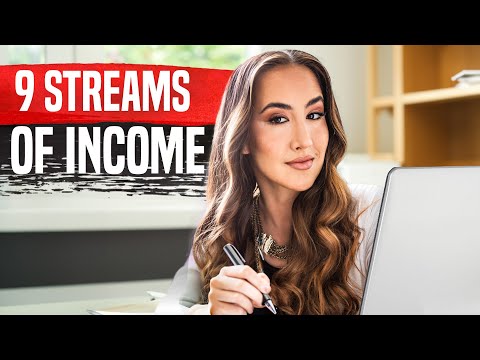
- 7 figures Peak employment income
- $93k Airbnb, year two
- ~$90k Speaking, year three
- 10 Streams in the video
The claim
That the creator built nine income streams while still employed, and that a viewer can use the same four levers (time, expertise, audience, money) to do likewise.
- Side service business, first year — About $40,000 each for two partners
- Employment income — $37,000 out of college; seven figures as a private-equity partner
- Consulting calls — $250, then $500 an hour; $2,000–$4,000 a month
- Board seat — $30,000 a year for four quarterly meetings; range given as $30,000–$300,000
- Speaking, years one to three — ~$3,000, ~$25,000, ~$90,000
- Speaking now — $300,000–$500,000 a year; $15,000 local, $50,000–$100,000 travel
- Two Gumroad guides — $4,166 in total, about $3,000 in the first year
- Newsletter — ~$1,000 a month for a year; then 55,000 subscribers and $50,000 revenue in 8 months
- Brand sponsorships — "Max 5K a year"
- Airbnb year one / year two — $73,000 revenue, $21,000 expenses / $129,000 revenue, $36,000 expenses
- Airbnb net, per year — $52,000 and $93,000, before the split
- Property purchase prices, financing, down payments — Not stated
What is this income idea?
Keep a job, and add income streams in order of four "levers": time first, then expertise, then audience, then money.
- The creator frames the video around leverage. Time comes first ("anytime you can trade your time for somebody else's money"), then expertise built in a job, then an audience, and finally capital that buys assets.
- Under time sit a side service business making Latin American introductions, which the creator says paid each of two partners about $40,000 in its first year, and the job itself. The creator went from about $37,000 after college to seven figures as a private-equity partner, and says the first $100,000, and for most people the first million, comes from wages.
- Under expertise sit paid consulting calls ($250, then $500 an hour, for $2,000 to $4,000 a month), a board seat at $30,000 a year, and speaking, which the creator says grew from about $3,000 in the first year to about $90,000 in the third and now runs at $300,000 to $500,000 a year.
- Under audience sit two Gumroad guides that earned $4,166 in total, a newsletter that grew to 55,000 subscribers and $50,000 in revenue in eight months, and brand sponsorships the creator puts at no more than $5,000 a year.
- Under money sit short-term rentals bought with the creator's brother, who manages them, and laundromats bought with an experienced operator. Two years of rental figures are given in detail. The video closes on "horizontal income": adding vending, wash-and-fold and further locations on top of a laundromat.
- The creator is frank about the order. The rental and laundromat streams arrive "once you have money", and of the board seat the creator says that someone brand new "probably couldn't" do it.
Use the job to build skills and savings, sell your time and knowledge on the side, then buy assets with the money; the larger streams here followed a high finance income.
- Job income — $37k to seven figures
- Side service — ~$40k each, year one
- Consulting — $2k–$4k a month
- Board and speaking — $30k seat; $3k to $90k
- Guides and newsletter — $4,166; $50k in 8 months
- Rentals — $52k, then $93k net
- Laundromats — Bought with an operator
Each lever funds or opens the next. The last two need capital the creator built in finance.
The detail is real, and so is the head start
The lesson underneath the number
- This video gives more figures than almost any income-stream list we have reviewed, and several of them can be checked against each other. The two rental P&Ls subtract exactly. The private-equity pay split sums to roughly 100%. The newsletter sponsorship example, 5,000 opens at $50 per thousand, gives the $250 stated. The guide income is small and stated to the dollar. The creator also gives the downside of nearly every stream: scope creep in services, boundaries in consulting, fiduciary risk on boards, a night in an airport hotel for speaking, months of negative rental income and a flood on the most profitable weekend of the year.
- Two ratios do not line up. The private-equity pay is broken down as 20% salary, then the creator says income was "highly skewed by my salary" at "80 to 90% of what I made back then". The two shares can both be true only if "salary" in the second sentence means employment income as a whole, against the side streams. And in the brand-sponsorship example a $5,000 post earns the brand "5 to 10x" what it paid, which the video turns into "$50,000"; the range gives $25,000 to $50,000, and that is the brand's revenue, not its profit.
- The tax point needs care. The creator compares a 37% top rate on wages with 20% on long-term capital gains, and calls investment income "what is deemed by the IRS as non-active income". In US tax, the lower rates apply to long-term capital gains and qualified dividends. Income from a rental or a business you do not run day to day is generally taxed at ordinary rates, so moving from wages to rentals or laundromats does not by itself move income into the 20% band.
- The larger point is order. The creator says the first $100,000, and for most people the first million, comes from wages, and that the money lever comes last. That is a sound and honest framing. It also means that the streams producing tens of thousands a year here, the board seat, the speaking fees, the rentals, followed a career that paid seven figures and a network that included wealthy investors. A viewer on a typical salary can start the first lever this week; the video's own sequence suggests the last one is years away.
How could you do this as somebody brand new well you probably couldn't.
The creator, on how the board seat was obtained
The ten streams, as the video gives them
Grouped by the creator's four levers. The title says nine; we count ten.
No figure is given for the purchase price, financing or down payment on any property or laundromat.
- Service business (time) — Paid introductions for companies entering Latin America, run with a colleague. "Our first year we each took home about $40,000." The creator lists the downsides plainly: chasing invoices, scope creep, and underestimating time.
- The job (time) — From about $37,000 after college to seven figures as a private-equity partner, split as 20% salary, 30% carry, 35–40% bonuses and 10–15% commissions on money raised. Those shares sum to 95–105%, which is consistent.
- Consulting (expertise) — One-off calls at $250, then $500, for "2 to 4K a month taking a few phone calls", later through an expert network. The creator now pays a consultant a $10,000 monthly flat fee.
- Board seat (expertise) — $30,000 a year for four quarterly meetings, offered after the creator introduced high-net-worth friends who then invested in the fund. The creator also names the risk: board members can face fiduciary claims.
- Speaking (expertise) — Free at first, paid from about the fifth talk. Year one about $3,000, year two about $25,000, year three about $90,000. The creator says each one-hour talk takes 10 to 24 hours in total.
- Info product (audience) — Two guides on Gumroad: "$4,166 in total so about 3K in the first year and then dwindled off from there." A small, specific and checkable-sounding figure, and the creator calls it "not huge but not nothing".
- Newsletter (audience) — About $1,000 a month in sponsorships for a year, then 0 to 55,000 subscribers and $50,000 in revenue in eight months after a rebrand, starting on Mailchimp and moving to Substack.
- Brand sponsorships (audience) — Free product and small fees at first, "max 5K a year". The creator preferred selling their own products to promoting a brand's.
- Short-term rentals (money) — A townhouse bought with the creator's brother, who manages it and "earned in" by doing so. Year one: $73,000 revenue, $21,000 expenses. Year two: $129,000 revenue, about $36,000 expenses, $93,000 split two ways.
- Laundromats (money) — Bought for "a very small six-figure amount" with a partner who had run one before, then expanded. Price tag for a new buyer: "a couple hundred K", which the creator says needs creative financing.
The business model
A portfolio: wages, service fees, consulting, board fees, speaking fees, guide sales, newsletter sponsorships, brand deals, short-term rental income and laundromat income.
Companies entering Latin America, investors, event organisers, newsletter sponsors, guide buyers, rental guests and laundromat customers.
Each stream sells something the creator already had: time, finance expertise, an audience, or capital.
Professional network for consulting, boards and early speaking; expert networks and speaking agencies; the newsletter and YouTube audience; Airbnb for rentals.
- Rental purchase and financing — Not stated for any property
- Rental operating expenses — $21,000 and ~$36,000 in years one and two, stated
- Laundromat purchase — "A very small six-figure amount"; utilities and rent named as rising fixed costs
- Partner labour — Paid in equity for rentals and laundromats
- Speaking time — 10–24 hours per one-hour talk, stated
- Platform fees — Gumroad takes a percentage, stated; amount not given
- Tax — Discussed as rates, not as amounts paid
Operating costs are given for the rentals, which is more than most videos in this genre offer. Acquisition costs are not given for any asset.
What you would actually need
Money
Little for the early streams (a service business "for 500 bucks", a free Gumroad guide); "a couple hundred K" for a laundromat; "some cash to be the backer" for a rental.
The early streams are cheap and the video's figures for them are modest. The two streams with the largest stated income, rentals and laundromats, need capital for a purchase, and the video gives no purchase price, deposit or loan figure for any of them.
Capital stated or implied
- ~$500 for a basic local service business
- Nothing to list a guide on Gumroad, which takes a percentage of sales
- A property purchase and furnishing for each rental (not stated)
- "A couple hundred K" for a laundromat
- A partner's labour, paid in equity, for rentals and laundromats
Time
Streams were added one at a time over a career; the creator says the audience grew to over 5 million in under three years and "was a lot of work".
The time figures given are frank. Speaking takes 10 to 24 hours per paid hour, newsletters need a weekly issue for at least a year, and the rental and laundromat streams work because someone else, a brother or an operator, does the daily management.
Time stated in the video
- Speaking: 10–24 hours per one-hour talk, free talks first
- Speaking income: three years to reach ~$90,000 a year
- Newsletter: "at least one newsletter a week for a year"
- Consulting: boundaries and time-tracking needed
- Rentals and laundromats: managed by partners, not the creator
The part you must pay attention to
The largest streams follow from the job, not alongside it.
The title says these are streams a viewer can build while employed. The creator's job was private equity, at an income the creator puts at seven figures, and several streams came directly out of that position.
- Airbnb revenue, year two — $129,000
- Stated expenses — $36,000
- Split with the managing partner — ÷ 2
$46,500 each
Our calculation, before any purchase or financing cost
The load-bearing assumption is that a viewer can reach the later levers. The board seat came from introducing "high net worth friends" who invested in the fund; the creator says a newcomer "probably couldn't" do it. Speaking fees grew alongside an audience of over 5 million. The rentals and laundromats were bought with money from the finance career, and both are run day to day by a partner. The rental figures are the most detailed in the video and they reconcile ($73,000 − $21,000 = $52,000; $129,000 − $36,000 = $93,000), but whether the expenses include a mortgage is not stated, and no figure is given for what the property cost to buy.
None of that makes the streams less real. It changes what they show. The video is a record of what a well-paid finance professional added over a career, given with unusual detail and with the downsides of each stream included, rather than a set of streams equally open to any employee. The streams that need no capital or network, a small service business, consulting calls, a guide and a newsletter, are also the ones with the smallest stated income: $40,000 in a first year, $2,000 to $4,000 a month, $4,166 in total and about $1,000 a month to start.
- AIRBNB P&L (stated, our check)
- Year 1 $73,000 - $21,000
- = $52,000
- Year 2 $129,000 - $36,000
- = $93,000
- Split 2 ways = $46,500 each
- Purchase price not stated
- BRAND MARGIN EXAMPLE
- $5,000 post x 5-10x
- = $25,000 to $50,000
- Video uses $50,000 (top end)
- NEWSLETTER CPO EXAMPLE
- 5,000 opens / 1,000 x $50
- = $250 ok
The economics
Specific figures for every stream, with operating costs for one.
- Service business, year one — ~$40,000 each
- Consulting — $2,000–$4,000 a month
- Board seat — $30,000 a year
- Speaking, year three / now — ~$90,000 / $300,000–$500,000
- Gumroad guides, total — $4,166
- Newsletter, 8 months after rebrand — $50,000 (~$6,250 a month)
- Airbnb net, years one and two — $52,000 / $93,000
- Contractor pay at the creator's company — $5,000 for 10–20 hours a month, or $250–$500 an hour
- Property and laundromat purchase costs — Not stated
What each rental year left for each partner
($129,000 − $36,000) ÷ 2 = $46,500; ($73,000 − $21,000) ÷ 2 = $26,000
$26,000 each in year one and $46,500 each in year two, before any purchase, deposit or loan cost not included in "expenses"
IncomeIdeaLab calculation from the figures stated in the video
The creator adds that year one came in "a little bit less" after miscellaneous items, at $40,000 to $50,000 in total. Whether mortgage payments sit inside the stated expenses is not said, and the brother's management work is paid through his share rather than as a cost.
- Purchase price, deposit and loan terms for any rental
- Whether rental "expenses" include mortgage payments
- Purchase prices and income figures for the laundromats
- Gumroad's fee in money terms
- Costs of running the newsletter and the speaking travel
- Tax paid on any stream
- The private-equity split (20% salary, 30% carry, 35–40% bonuses, 10–15% commissions) sums to 95–105%, consistent with a whole.
- Paying contractors $5,000 for 10 to 20 hours a month is $250 to $500 an hour (our calculation), well above the $5 to $20 an hour the video suggests paying freelancers to resell at $100 to $200.
- At $15,000 for a local talk and 10 to 24 hours of total time, a talk pays about $625 to $1,500 an hour (our calculation). In year one, at about $3,000 in total, the rate was far lower.
- The creator's own conference costs $200,000 to $230,000 to run with a $25,000 speaker budget, which gives a sense of how few speaker slots carry the fees quoted.
- The creator says the laundry industry has "15 to 35% return on income"; no source is given and no figure is given for the creator's own laundromats.
Evidence status
Every substantive claim in the video.
- Nine income streams built while employed — Title, creator — We count ten. Several, such as current speaking fees, came after the creator left employment.
- Seven figures as a private-equity partner — Creator — Stated as the creator's experience. The pay split sums to about 100%.
- Salary was "80 to 90%" of income — Creator — Reconciles with the 20% salary share only if it means all employment income.
- ~$40,000 each from a side service business — Creator — First-year figure; costs not stated.
- $2,000–$4,000 a month consulting — Creator — Consistent with a few $250–$500 calls.
- $30,000 board seat — Creator — Obtained by introducing investors to the fund, as stated.
- Speaking: $3,000, $25,000, $90,000 over three years — Creator — A specific ramp, with 10–24 hours per talk.
- $4,166 from two guides — Creator — Small, specific, and described as small.
- 55,000 subscribers and $50,000 in 8 months — Creator — About $6,250 a month on average; costs not stated.
- Airbnb: $52,000 then $93,000 net — Creator — Both subtractions check out. Purchase and financing not stated.
- A $5,000 post earns a brand $50,000 — Creator — The stated 5–10x gives $25,000–$50,000, in revenue.
- Investment income taxed at 20% vs 37% on wages — Creator — Applies to long-term gains and qualified dividends; rental and business income is generally taxed at ordinary rates.
- Laundry industry returns of 15–35% — Creator — No source given.
What is actually proven?
Specific stated figures, several of which reconcile. The starting position is stated too.
- Both Airbnb years subtract exactly to the net figures given.
- The newsletter sponsorship pricing example is arithmetically correct.
- Income figures are given for every stream except the laundromats.
- The downsides of each stream are named, including a rental flood and refund.
- The brand-margin example uses the top of its own range.
- What any property or laundromat cost to buy, and how it was financed.
- Income from the laundromats.
What the headline doesn’t tell you
The streams are real. The head start is part of the story.
- Ten, not nine. — By our count.
- A seven-figure job. — Funded the money lever.
- The board seat. — Came from introducing investors.
- Partners run the assets. — A brother and an operator.
- No purchase prices. — For rentals or laundromats.
- $25k–$50k, not $50k. — The brand example's own range.
- Rental tax. — Generally ordinary rates, not 20%.
- Small streams are small. — $4,166 from guides, stated.
Should you try it?
Start with the first two levers; the last two need capital
A small service, paid calls and a guide are open to most employees. The board seat, current speaking fees, rentals and laundromats followed a finance career and its network.
- Specificity of figures — 9 — A figure for nearly every stream, including small ones.
- Internal consistency — 7 — Rental P&Ls and CPO example reconcile; two ratios do not.
- Honesty about downsides — 9 — Every stream comes with its problems stated.
- Cost disclosure — 5 — Rental operating costs given; no acquisition costs.
- Accuracy of the tax point — 4 — Rates right for capital gains; not for rental or business income.
- Beginner accessibility — 3 — The larger streams need capital or a network.
- The first lever is genuinely open. A side service business, paid calls in an area you already know, and a guide on something people keep asking you about need little money, and the video's figures for them are modest and believable: $40,000 for a first year split two ways, $2,000 to $4,000 a month from calls, $4,166 from two guides over several years.
- The later streams are worth understanding as a destination, not a starting point. The board seat came from introducing wealthy investors to the fund. Speaking took three years to reach about $90,000 a year and now sits on an audience of millions. The rentals and laundromats were bought with money from a seven-figure finance career, and each is run by a partner who takes a share.
- If you do go the property route, ask the questions the video does not answer: what the asset cost, how much was borrowed, and whether the "expenses" include the loan. And do not assume rental income is taxed like investment gains; in the US it generally is not.
Passive or automated?
Automation
Guide sales run themselves; nearly everything else is people.
Passive potential
Passive for the creator only because partners do the work.
Only the Gumroad guides are passive in the plain sense, and they are the smallest stream at $4,166 in total. The service business, consulting, board work and speaking are all time for money; the creator puts a one-hour talk at 10 to 24 hours. The rentals and laundromats are passive for the creator because a brother and an operator handle guests, repairs, coin collection and security in exchange for equity. The creator says so directly: "your job to solve it my job to own it." For a viewer who would be both owner and manager, these are jobs.
- Delivering the service and chasing invoices
- Taking calls and holding boundaries in consulting
- Preparing and travelling for every talk
- Writing a newsletter every week
- Managing rentals, including floods and refunds
- Running laundromats day to day
Recommended beginner experiment
Use the levers in the creator's order, and price each one.
- Check your employment terms. — The creator says to clear side work with your employer.
- Sell one paid call. — On what your job already pays you for.
- Standardise your rate. — Track hours; set boundaries.
- Write the guide people keep asking for. — After 10–20 requests, per the video.
- Give talks free, then charge. — Count every hour, not the hour on stage.
- Save before buying assets. — The money lever comes last.
- Get purchase and loan figures first. — Not stated in the video for any asset.
Our verdict: 7/10
Specific, mostly consistent, and candid about the costs of each stream with the largest streams built on a finance career, its capital and its network
Credited for giving a figure for nearly every stream, including small ones such as $4,166 from two guides; for two rental P&Ls that subtract exactly and a newsletter pricing example that checks out; for naming the downside of every stream; and for saying plainly that wages come first, that money comes last, and that a newcomer "probably couldn't" get a board seat the same way. Marked down because no purchase price or financing figure is given for any rental or laundromat; because the brand-margin example uses the top of its own 5–10x range; because the 20% and "80 to 90%" salary shares are left unreconciled; because the tax comparison does not apply to rental or business income; and because the title's nine streams are ten, several built after employment.
This is one of the more useful income-stream videos we have reviewed, because it attaches a number to almost everything and the numbers mostly hold together. Two rental years subtract exactly to $52,000 and $93,000. The private-equity pay split sums to about 100%. The newsletter pricing example is correct. The guide income is reported to the dollar and described as small. Each stream comes with its downside: unpaid scope creep, consulting clients who want more, fiduciary risk on a board, a flood and a full refund on the rental's best weekend. Two figures do not line up: the brand-sponsorship example turns a stated 5–10x into $50,000 when the range gives $25,000 to $50,000, and salary is put at 20% of pay in one breakdown and 80 to 90% of income in the next. The tax comparison applies to capital gains and qualified dividends, not to rental or business income. The more important point is the one the creator makes: wages come first and capital comes last. The board seat came from introducing wealthy investors, the speaking fees rose with an audience of millions, and the rentals and laundromats were bought with money from a seven-figure career and are run by partners. A viewer can start the first two levers in the video now. The last two, which produce the largest figures here, rest on a starting position that most employees do not have, and the video gives no purchase price for any asset.
- Peak employment income — Seven figures
- Airbnb net, years one / two — $52,000 / $93,000
- Per partner, year two — $46,500
- Speaking, year three — ~$90,000
- Guides, total — $4,166
- Brand example — $25,000–$50,000, not $50,000
- Asset purchase costs — Not stated
- Beginner suitability — First two levers yes; last two need capital
Sources
- 9 Income Streams You Can Build While STILL an Employee — YouTube video, 2023-12-01
- IRS — Topic no. 409, Capital gains and losses — Regulator guidance on capital gains tax rates
- FTC — Guides Concerning the Use of Endorsements and Testimonials — Regulatory guidance on earnings claims