E-commerce / DTC Brand · Claim Review
“If I Had 1 Year to Make USD 10M - This Is My Plan”
What we found: The $10M in the Title Is a Past Brand's First-Year Sales, Not a One-Year Plan, and That Brand Later Lost Over $1M in a Year
A candid account of a weighted-blanket brand's rise and decline with three named mistakes; the plan the title promises is not in the video.
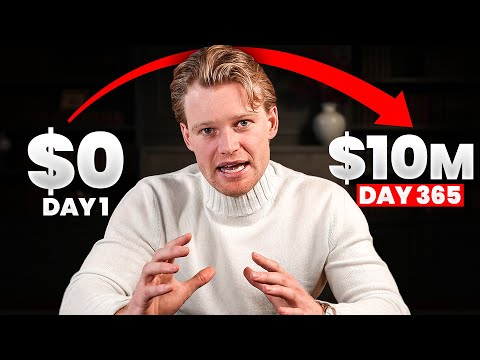
- Over $10M First-year sales
- $1.5M First-year profit
- Over $1M Later annual loss
- Not given One-year plan
The claim
The title presents a one-year plan to make $10M. The video recounts a weighted-blanket brand that made over $10M in sales in its first year before declining.
- Starting position, late 2017 — $0 in the bank, living with parents
- First pre-orders — Over $1,000 "very very quickly"
- First-year sales — Over $10M
- First-year profit — $1.5M
- First-year profit margin — ~15%
- Second-year profit — $2.5M (sales not stated)
- Acquisition offer — Over $10M
- From October 2020 — From a $500,000-profit month to a loss of over $1M in a year
- Team at peak — About 100 people
- Plan for making $10M in one year — Not given
What is this income idea?
Spot early demand for a product nobody is manufacturing yet, validate it with pre-orders through a simple online store, then scale with Facebook ads.
- In late 2017 the creator, then 23, says they had "USD 0 in my bank account" after failing university and several businesses. A Facebook post about a mother making weighted blankets drew many "where can I get this" comments.
- Finding no weighted blankets listed by suppliers, they took that as a sign of being early, bought a single 7 kg sample from China, photographed family members with it, built a basic Shopify store and ran Facebook ads.
- Pre-orders came in within hours: "we did over USD 1,000 very very quickly for a month pre-order". In the first year: "over USD 10 million in sales and USD 1.5 million in profit". The second year's profit "grew to USD 2.5 million". An offer to buy the business came in at over $10 million.
- From around October 2020, "next 12 months our profits plummeted": from a month that made $500,000 to "losing over like a million dollar in the year".
- The creator names three mistakes: launching more than ten other brands and spending at most an hour a week on the original; expanding product variations without a strategy while a cheaper competitor took market share; and poor inventory planning that left top sellers out of stock and slow sellers cleared at a loss.
- The brand was eventually switched off along with others "ranging from small profits to very unprofitable". The video closes with six lessons and an invitation to the creator's mentoring program or a free e-commerce course.
Find a product people are asking for, test it with pre-orders, and scale with ads, while keeping control of focus, finances and stock.
- Spot unmet demand — A viral Facebook post
- Check suppliers — None listed yet
- Order one sample — 7 kg blanket
- Launch pre-orders — Shopify + Facebook ads
- Scale fast — $10M+ sales, year 1
- Overexpand — 10+ brands, ~100 staff
- Decline and close — Over $1M lost in a year
A full rise-and-fall story told in about ten minutes, not a plan for the next year.
A useful failure story, under a title about a plan
The lesson underneath the number
- Most income videos stop at the peak. This one does not. The creator gives the brand's first-year sales and profit, a second-year profit, an acquisition offer they did not take, and then the decline: profits that "plummeted", a year with losses of over $1 million, and the decision to switch the brand off. The three mistakes named, overexpansion, no product strategy and poor inventory planning, are specific and recognisable.
- The title points somewhere else. "If I Had 1 Year to Make $10M - This Is My Plan" suggests a forward plan for a reader. The video contains no such plan; the $10 million appears once, as the first year's sales of a past business. A viewer looking for the plan will not find it.
- The figure is also revenue. $1.5 million of profit on over $10 million of sales is a margin of about 15%, and across the years the creator describes, the stated profits less the stated loss come to under about $3 million. Ad spend, stock cleared at a loss and team costs are not given.
- The lessons are sound general advice: keep each business's finances separate, structure incentives, plan stock, and do not expand faster than you can manage. The closing invitation to the creator's mentoring program and free course is clear about what it is.
We went from like 1 month we made 500,000 to losing over like a million dollar in the year.
The creator, on the decline from October 2020
The six lessons, as given
The video's practical content is a list of lessons from the decline.
No figure is given for ad spend, starting costs or the inventory cleared at a loss.
- Do not scale faster than you can manage — "Rapid expansion can lead to inefficiencies and increased risk." The creator launched more than ten brands after the first.
- Keep clear financial reporting — Each brand's finances were merged "into one big mess under one account". The creator suggests a fractional finance lead if unsure.
- Build a defensible product line — Variations of the same blanket "diluted our brand and confused our customers", and a lower-priced competitor took share. Unique or licensed designs are suggested in hindsight.
- Structure and incentivise the team — About 100 staff, with nobody "properly incentivized whether [the brand] lived or died". The creator notes e-commerce can stay lean with contractors.
- Act on problems quickly — Focus on the 20% of activities that drive 80% of results, and do not wait too long to change course.
- Plan inventory — Top sellers sold out unnoticed; slow sellers were advertised at high acquisition cost and cleared at a loss, even during peak demand.
The business model
Direct-to-consumer sales of weighted blankets through an online store, starting with month-long pre-orders.
People seeking help with anxiety and sleep, reached through Facebook ads and later Google search.
An early, well-reviewed weighted blanket brand that ranked first on Google for the product.
Facebook ads from launch; later the top Google position for "weighted blanket".
- Product sourcing from China — Sample and stock costs not stated
- Facebook advertising — Not stated
- Team of about 100 — Not stated
- Inventory cleared at a loss — Amount not stated
- Ten-plus additional brands — Costs merged, not separated
Profit figures are given for two years and a loss for one; the costs behind them are not broken out.
What you would actually need
Money
Started with "USD 0", one sample, home photos, a basic store and "the worst Facebook ads you've ever seen", funded by videography work.
Pre-orders funded the first stock, which is a real and capital-light way to start. Scaling to $10M in sales needed large stock orders and ad budgets, and neither figure is given. The creator's own account shows inventory was where money became trapped.
Costs named, not priced
- The first sample from China
- Facebook ad spend at launch and at scale
- Inventory orders once pre-orders were filled
- A team of about 100 people
- Stock cleared at a loss
Time
Six years of failed businesses, then what "felt like overnight" success.
The rise took a year; the decline took about another. The creator's point is that time spread across ten brands was the problem, at "maximum 1 hour" a week on the main one.
The timeline given
- Six years of earlier attempts
- Late 2017: first sample and pre-orders
- Year 1: over $10M sales
- Year 2: $2.5M profit
- From October 2020: decline
- Later: brands switched off
The part you must pay attention to
The $10M is a past brand's sales. The plan in the title is not in the video.
The title reads as a forward plan for making $10M in a year. The video recounts a business that reached that in sales and then declined.
- Year 1 profit — $1.5M
- Year 2 profit — $2.5M
- Later annual loss — $1M+
Under ~$3M
Net across the stated years, if the figures are complete
The original success rested on being early: visible demand from a viral post and no suppliers yet. The creator's own account is that this edge did not last once larger, cheaper competitors entered, and the video does not explain how a reader would find a comparable gap today.
$10M in sales with $1.5M in profit is a margin of about 15%; the $10M figure is revenue, not income. The net of the stated profits and loss is under about $3M, before any stock cleared at a loss in other periods. The creator states all of this openly, which is to their credit; it is a different video from the one the title describes.
- YEAR ONE
- Sales $10M+
- Profit $1.5M
- Margin ~15%
- ACROSS THE STATED YEARS
- Year 1 profit $1.5M
- Year 2 profit $2.5M
- Later year -$1M+
- Net < ~$3M
- THE TITLE
- "1 year to make $10M"
- Plan given none
The economics
Profit and loss are stated by year; the costs behind them are not.
- Starting cash — $0
- First pre-orders — Over $1,000
- Year 1 sales — Over $10M
- Year 1 profit — $1.5M
- Year 2 profit — $2.5M
- Best month profit — $500,000
- Later annual loss — Over $1M
- Ad spend, stock losses, team cost — Not stated
Margin and net across the stated years
$1.5M ÷ $10M = ~15%; $1.5M + $2.5M − $1M+ = under ~$3M
A ~15% first-year margin, and a net of under about $3M across the years described
IncomeIdeaLab calculation from figures stated in the video
The video does not give profit for every year or say whether stock cleared at a loss is included in the stated figures, so the net is indicative only.
- Advertising spend at any stage
- Cost of the first sample and stock orders
- Amount of inventory cleared at a loss
- Staff costs at about 100 people
- Sales in the second and later years
- Results of the ten-plus other brands
- The acquisition offer of over $10M is stated as an offer; the video says the business was later switched off.
- The creator now focuses on another brand, investments, YouTube and a mentoring program, and offers the program and a free course at the end of the video.
- Weighted blankets are described as having "scientific evidence supporting the benefits" for anxiety and sleep; the video does not cite a source.
Evidence status
Every substantive claim in the video.
- A plan to make $10M in one year — Title — Not in the video. The $10M appears as a past brand's first-year sales.
- Over $10M sales, $1.5M profit in year 1 — Creator — About a 15% margin. We could not check it from the video.
- $2.5M profit in year 2 — Creator — Sales for the year are not given.
- Offer to buy for over $10M — Creator — Not taken; the brand was later switched off.
- From a $500k-profit month to a $1M+ annual loss — Creator — Stated openly, with three causes named.
- Started with $0 — Creator — Pre-orders and videography income funded the start.
- Number one on Google for "weighted blanket" — Creator — We could not check it from the video.
What is actually proven?
A stated history, told candidly; no plan.
- Over $10M sales and $1.5M profit in the first year.
- A decline to a loss of over $1M in a year, and the shutdown.
- A first-year margin of about 15%.
- Net stated profit of under about $3M across the years described.
- The one-year plan named in the title.
- Ad spend, stock losses and team costs.
What the headline doesn’t tell you
The video is a post-mortem, and a candid one.
- There is no one-year plan. — The title promises one.
- $10M is sales. — Profit was $1.5M.
- The brand declined. — A loss of over $1M in a year.
- It was switched off. — Along with other brands.
- Being early was the edge. — It did not last.
- Ad spend is not stated. — At any stage.
- A mentoring program is offered. — At the end of the video.
Should you try it?
Learn from the mistakes; do not expect the plan
The pre-order start is a sound, low-capital test. The scale and the decline both needed money and management the video does not cost.
- Candour about failure — 9 — Losses, mistakes and the shutdown all stated.
- Match between title and content — 1 — No one-year plan in the video.
- Cost disclosure — 2 — Profit and loss given; costs not broken out.
- Usefulness of lessons — 7 — Specific and widely applicable.
- Repeatability today — 3 — Rested on being early to a trend.
- The opening of this story is the useful part for a beginner: a visible demand signal, a single sample, home photography and pre-orders that paid for the first stock before it was ordered. That sequence can be tested cheaply.
- The rest is a caution. Rapid growth brought ten more brands, about 100 staff, mixed finances, stock-outs on best sellers and losses on slow ones, and a cheaper competitor took share. The creator says the business would have been better run lean and focused.
- Do not read the title as a plan you can follow. The figures describe one brand's past, and they include the year it lost over $1 million.
Passive or automated?
Automation
Ads and checkout run; sourcing, stock and team do not.
Passive potential
The decline came when attention moved elsewhere.
The creator's own account is the clearest argument against treating this as passive: spending "at maximum 1 hour" a week on the main brand while launching others coincided with stock-outs, a competitor taking share and losses. Inventory planning, supplier management, advertising and staff all needed active attention.
- Inventory forecasting and supplier orders
- Advertising and creative
- Product strategy against competitors
- Finance and team management
Recommended beginner experiment
Use the pre-order test and the lessons, at small scale.
- Look for demand without supply. — Comments asking where to buy.
- Order one sample. — Check quality before selling.
- Take pre-orders. — With a clear delivery date.
- Track ad cost per order. — From the first day.
- Keep one set of books per product. — The creator's first lesson.
- Forecast stock monthly. — Do not run out of best sellers.
- Stay focused. — One product before ten.
Our verdict: 5/10
A candid post-mortem under a title about a plan with sales, profit and loss stated, and costs left out
Credited for stating the brand's decline, its loss of over $1 million in a year and its shutdown alongside the early success; for naming three specific mistakes; for giving profit as well as sales; and for a low-capital pre-order start that a reader can test. Marked down because the one-year plan in the title is not in the video, and the title's $10 million appears only as a past brand's first-year sales; because ad spend, stock losses and team costs are not stated; and because the edge behind the success, being early to a trend, is not one the video shows how to find again.
This video is a candid account of a weighted-blanket brand that started from a viral Facebook post, a single sample and pre-orders, reached over $10 million in sales and $1.5 million in profit in its first year, made $2.5 million profit in its second, and then lost over $1 million in a year before being switched off. The creator names the causes plainly, too many brands, no product strategy and poor inventory planning, and draws six sound lessons from them. What the video does not contain is the one-year plan to make $10 million that its title describes; the figure appears only as a past brand's first-year sales, which were revenue at a margin of about 15%. Ad spend, stock cleared at a loss and team costs are not given. Worth watching for the lessons; not a plan to follow.
- Year 1 sales — Over $10M
- Year 1 profit — $1.5M (~15%)
- Year 2 profit — $2.5M
- Later annual loss — Over $1M
- One-year plan — Not given
- Ad spend and stock losses — Not stated
- Beginner suitability — For the lessons
Sources
- If I Had 1 Year to Make USD 10M - This Is My Plan — Davie Fogarty — YouTube video, 2024-10-04
- FTC — Guides Concerning the Use of Endorsements and Testimonials — Regulatory guidance on endorsements and earnings claims