Local Services / Window Cleaning · Claim Review
“I Helped A Beginner Make $1K/Day Cleaning Windows To Prove It's Not Luck”
What we found: The $1K-a-Day Window Cleaning Video Ends at About $749 Booked Before Upsells, for Two Sellers, With the Work Still to Do
A candid on-camera door-knocking session with every price quoted aloud. The $1,000 is a forecast that depends on upsells, the trainee closed one of the three jobs, and no cleaning time or cost is stated.
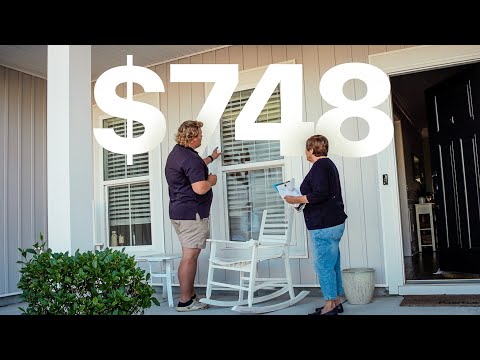
- ~$749 Booked on camera
- $1,000/day Title figure
- 1 job, $249 Trainee's own close
- Not stated Cleaning time and cost
The claim
That a beginner can make $1,000 a day cleaning windows, shown by taking a trainee door to door on camera.
- Jobs booked on camera — 3: $199, $249 and $300
- Total booked, as stated — "7.49 … to start the day pre-upsells", also given as 750
- Sum of the three prices — $748
- Time on the street — "About an hour, hour and a half"
- Jobs closed by the trainee — 1 (the $249 job, on a return visit)
- $1,000 for the day — "Probably going to be over" with upsells
- Conversations shown — At least nine
- Close rate stated — 50% ("talked to six people")
- Close rate on the conversations shown — About one in three
- Cleaning time, supplies, travel, profit — Not stated
What is this income idea?
Knock on doors in a neighbourhood, offer exterior window cleaning at a one-day discount, and book jobs for the coming week.
- The video is a live training session. The creator takes a trainee onto a residential street, lets them knock first, gives feedback, then knocks themselves, and the two alternate through the afternoon. Every price is said out loud, so the selling process can be followed door by door.
- The offer is consistent. Hand-cleaned glass, frames, sills, tracks and doors, a "rain block" coating and a guarantee. A one-off price is quoted, typically $275 to $349 depending on the house, then $100 is taken off because the crew will already be on the street that Tuesday or Wednesday. Interiors are offered as an add-on.
- The coaching is specific. Slow down, make it a conversation rather than a pitch, do not describe your own service as small, and drop the price only when it is the difference between a sale and no sale, with a reason attached such as filling the last slot or asking for a review.
- The results are shown door by door. Several people decline, including one whose own pressure-washer friend charges $175 and one who would not buy even at a much lower price. Three jobs are booked: $199 after a further discount for a review, $249 inside and out on a return visit to the trainee's first door, and $300 with free screens for a neighbour who came outside during filming.
- The creator totals it as about $749 "to start the day pre-upsells" after "about an hour, hour and a half", and says the three jobs are "probably going to be over a thousand" once screens and interiors are added. The video ends with an invitation to apply for the creator's one-on-one coaching.
Knock on every door on one street, quote a discounted price for the day you will be there, and fill your schedule; this session booked about $749 for two people.
- Pick a street — One where you have jobs
- Knock and open — A conversation, not a pitch
- Count the glass — "30 seconds"
- Quote, then $100 off — For the scheduled day
- Discount only to close — With a reason
- Book for next week — Then upsell on site
A clear sales process. The revenue is booked, not yet earned, and shared by two people.
A good sales lesson, filed under an income figure it does not reach
The lesson underneath the number
- The strongest thing about this video is that very little is left to description. The selling happens on camera, the prices are said aloud, and most doors decline. One homeowner's friend cleans their windows for $175. Another would not book at any price. A third had a pressure-washer friend who "had a Christmas baby", and the creator lets that go with good humour. A viewer sees what door-to-door selling is actually like, which is more useful than a highlight reel.
- The coaching between doors is equally concrete: slow the pitch, make it a conversation, never describe your own service as small, and give a reason whenever you discount. The return visit that turns the trainee's first door into a $249 job is a real lesson, and so is the $300 booking from a neighbour who walked outside during filming.
- The gap is between that session and the title. The video ends with about $749 booked "pre-upsells" for two sellers, with the cleaning still to do the following week. The $1,000 is the creator's forecast once screens and interiors are added, and the beginner closed one of the three jobs. The creator also says they talked to "six people" for a 50% close rate; we count at least nine conversations on camera, which puts the rate nearer a third.
- There is a further point worth a reader's attention. Every quote shown starts from a one-off price and takes $100 off for the scheduled day, and further discounts follow for a review or the last slot. On this street, the lower price was the price. A beginner should plan on the discounted figures as their real rates, not the starting quotes.
If I take that for face value and I stop there there's a 0% chance of closing that deal.
The creator, on taking every door as far as it will go
The sales process, as the creator teaches it
The most useful part of the video is the coaching between doors.
No figure is given for the time or cost of doing the jobs once booked.
- Open with a reason to be there — Every pitch starts with being on the street already, helping neighbours, and coming back on a named day. That frames the discount as a scheduling saving rather than a sale.
- Slow down and make it a conversation — The creator's main feedback to the trainee: "it's a conversation not talking at her". The trainee's first door had "zero push back" but no close, which the creator puts down to pace.
- Take every door as far as it will go — The stated goal at each door is to get the price on the table, because "they can't buy if they don't know what we're doing and how much it is". Several doors end with a name, a handshake and a text for the spring rather than a sale.
- Discount only when it decides the sale — The creator says they drop the price only when it is "the difference between a sale or no sale", and always with a reason: the last open slot, or a review in exchange. The trainee is told that reacting too quickly with a lower price makes the service look less valuable.
- Come back to warm doors — The trainee's first door, quoted $299 inside and out, is revisited and closes at $249. The creator calls it "the power of comebacks".
- Talk to everyone — The $300 job comes from a neighbour who walks outside while they are filming. The creator's lesson: "that ladies and gentlemen is why you talk to everybody".
The business model
One-off residential window-cleaning jobs, exterior by default, with interiors, screens and other add-ons sold on site.
Homeowners on streets where the crew already has jobs, approached at the door.
Hand-cleaned glass, frames, sills, tracks and doors with a rain-block coating and a guarantee, at about $100 off for booking on the day the crew is nearby.
Door-to-door selling, with return visits and texted estimates for those who do not book at the door.
- Equipment and cleaning supplies — Not stated
- Rain-block coating — Applied on every job. Not priced
- Vehicle and fuel — Not stated
- Labour — Two people sold the jobs. Who cleans, and their pay, is not stated
- Insurance and permits — Not mentioned
- The $100 discount — Given at every door quoted on camera
Every figure in the video is a price quoted or booked. The cost and time of doing the work are not stated, so profit per job cannot be worked out.
What you would actually need
Money
No start-up or running cost is stated. The service described includes hand cleaning, a rain-block coating and a guarantee.
The equipment for exterior window cleaning is modest, but it is not free, and the rain block, travel and insurance are ongoing costs. None is stated, so the share of a $199 job that is kept cannot be worked out from the video.
Costs the video does not state
- Ladders, poles, squeegees, scrubbers and cleaning solution
- The rain-block product applied on every job
- A vehicle and fuel
- Liability insurance for work on homes
- Any local permit needed for door-to-door selling
- Pay for a second person, if they are an employee
- Income tax on profit
Time
About an hour to an hour and a half on the street to book the three jobs.
That covers selling only. The three jobs are booked for the following Tuesday or Wednesday, and the time to clean three houses, inside and out on two of them, is a separate day of work that is not stated.
Where the day actually goes
- One to one and a half hours knocking, two people
- Return visits to doors that said maybe
- Texting estimates and follow-ups
- Cleaning three houses on another day
- Travel between jobs
- Upsells quoted and done on site
The part you must pay attention to
The day on camera ends at about $749 booked, not $1,000 earned.
The creator's own total at the end of the street is "7.49 … to start the day pre-upsells". The $1,000 depends on screens and interiors not yet sold.
- Creator's close, after review discount — $199
- Trainee's close, on a return visit — $249
- Neighbour who came outside — $300
$748
Booked for next week, two sellers, before upsells
The title rests on two assumptions the video does not test. The first is that the upsells will be sold: the creator says the three jobs are "probably going to be over a thousand" once screens and interiors are added, which is a forecast. The second is that booked revenue is a day's pay. These jobs are done on another day, by the same two people, with supplies and travel, and the beginner in the title closed one of the three. A beginner working alone would book their own share of a street, then spend a further day doing the work.
None of this undermines the selling shown. Three jobs from one street in about an hour and a half, with every price said out loud and several doors declining on camera, is a credible demonstration of door-to-door booking. It is a demonstration of about $749 in booked jobs for two sellers, not $1,000 a day for a beginner. Our count of the conversations shown is also higher than the creator's "six people", which puts the close rate nearer one in three than the 50% stated.
- THE THREE JOBS (OUR ADDITION)
- Creator's close $199
- Trainee's close $249
- Neighbour $300
- Total $748
- Creator's figure ~$749
- THE TITLE
- Title $1,000
- Booked $748
- Gap, "upsells" ~$252
- PER PERSON, BOOKED
- $748 / 2 sellers ~$374
- CLOSE RATE
- Stated: 3 of 6 50%
- Conversations shown 9+
- 3 of 9+ ~33% or less
- CLEANING TIME / COST not stated
The economics
Prices and bookings are stated. Cost, cleaning time and profit are not.
- Jobs booked — 3
- Booked prices — $199, $249, $300
- Total booked — $748
- Time on the street — 1 to 1.5 hours
- Sellers — 2
- Booked per seller-hour — ~$250 to $375
- Day total with upsells — "Over a thousand"
- Cleaning time, supplies, travel, profit — Not stated
Booked revenue per seller-hour
$748 ÷ (2 sellers × 1 to 1.5 hours) = about $250 to $375 booked per seller-hour
About $374 booked per person for the session, before the cleaning is done
IncomeIdeaLab calculation from prices and times stated in the video
This is booked revenue for selling time only. The jobs are done on a later day, and the time to clean three houses, two of them inside and out, is not stated. Supplies, travel and insurance are not stated either, so the hourly figure for the whole job will be lower.
- Hours to clean each booked house
- Supplies, rain block and equipment cost
- Vehicle and travel cost
- Insurance and any permit cost
- Whether upsells were sold, and for how much
- Cancellations before the booked day
- The creator gives the session total as "7.49" and "750". Our sum of the three prices is $748; the difference is rounding and does not change anything.
- The creator says "probably talked to six people" and calls it a 50% close rate. The conversations shown on camera number at least nine, including several that declined, so on what is shown the rate is closer to one in three. The creator also states a general target of closing "a minimum of 20%".
- The video was filmed around Christmas, which the creator calls the off season. Booking rates in spring or summer may differ in either direction; the video does not say.
- The closing section invites viewers to apply for the creator's one-on-one coaching, with a reference to scaling past $30,000 a month in net profit. That figure is not explained or tied to anything shown in the video.
Evidence status
Every substantive claim in the video.
- A beginner made $1K a day — Title — The session ends at about $749 booked for two sellers; the trainee closed one $249 job.
- About $749 booked "pre-upsells" — Creator — Matches our sum of the three prices said aloud, $748.
- "Probably going to be over a thousand" with upsells — Creator — A forecast. The upsells are not sold on camera.
- About an hour to an hour and a half — Creator — Selling time only. Cleaning is on another day.
- Talked to six people, 50% close rate — Creator — At least nine conversations are shown, which puts the rate nearer one in three.
- Close "a minimum of 20%" of people — Creator — A general target. We could not check it from the video.
- Normal prices of $275 to $349, $100 off for the day — Creator, at the door — The discount is offered at every door quoted on camera.
- Coaching to scale past $30,000 a month in net profit — Creator, closing section — Promotes the creator's own coaching. Not explained in the video.
- Cleaning time, supplies, travel, profit — Not stated — Not stated anywhere in the video.
What is actually proven?
The selling is on camera. The $1,000 day and the profit are not.
- Three jobs are booked at prices said aloud: $199, $249 and $300.
- They add up to $748, matching the creator's total of about $749.
- Several doors decline on camera, which the video keeps in.
- The $1,000 total depends on upsells not yet sold.
- At least nine conversations are shown, so the close rate is nearer one in three than one in two.
- The time and cost of cleaning the three houses.
What the headline doesn’t tell you
Booked is not earned, and two people did the booking.
- About $749, not $1,000. — The rest is forecast upsells.
- Two sellers. — About $374 each.
- The beginner closed one job. — $249, on a return visit.
- The work is next week. — Cleaning time not stated.
- Nine-plus conversations. — Not six.
- $100 off at every door. — The lower price is the price.
- No cost is stated. — Supplies, travel, insurance.
- Coaching closes the video. — The creator's own offer.
Should you try it?
A realistic, low-cost way to book local work, at a lower figure than the title
Take the door-by-door method and the discounting discipline. Plan on booked jobs at the discounted prices, then add the day it takes to do them.
- Transparency of the selling — 9 — Prices said aloud, declines kept in.
- Usefulness of the coaching — 8 — Pace, framing and when to discount, all specific.
- Title against what is shown — 3 — About $749 booked for two, not $1,000 for a beginner.
- Close-rate accuracy — 4 — Stated 50%; our count of the doors shown gives about a third.
- Cost disclosure — 0 — No cost or cleaning time is stated.
- Beginner accessibility — 8 — Low equipment cost and no audience needed.
- This is one of the more accessible ideas we review. Window cleaning needs modest equipment, no audience and no platform, and the video shows how the work is found: walk a street, talk to everyone, quote clearly, and come back to the maybes. The trainee's mistakes and the creator's corrections are the most useful few minutes in the video.
- Size your expectations on what is shown. Two people knocked for about an hour to an hour and a half and booked about $749, and the trainee's share was one $249 job closed on a second visit. The jobs are done on another day. A beginner should expect to book less than an experienced seller, and to spend a further day cleaning for whatever they book.
- Price from the discounted figure. Every quote shown starts from a one-off price and takes $100 off, and two of the three jobs came with further concessions. Then cost each job: supplies, rain block, fuel, insurance and any permit your town requires for door-to-door selling. The video states none of these.
Passive or automated?
Automation
Selling and cleaning are both done in person.
Passive potential
Income stops when knocking and cleaning stop.
This is an active service business and the video does not present it otherwise. The work is found by knocking on doors, priced at the door, and done by hand on a later day, with return visits and texted estimates for the people who say not yet. Over time a book of repeat customers and reviews may reduce the knocking, and a business owner may hire others to sell or clean, but none of that is shown here. Every dollar in the video comes from two people on a street and the day of cleaning that follows.
- Knocking on doors and quoting prices
- Return visits and follow-up texts
- Cleaning glass, frames, sills and tracks by hand
- Selling and doing upsells on site
- Handling guarantees and re-dos
Recommended beginner experiment
Book one street, then time the work.
- Check local rules first. — Many towns require a solicitation permit.
- Buy only basic equipment. — Pole, squeegee, scrubber, ladder.
- Set your real price. — The discounted figure, not the starting one.
- Knock one street for two hours. — Count every conversation.
- Go back to the maybes. — The trainee's close came this way.
- Time each job you do. — The figure the video leaves out.
- Cost each job. — Supplies, fuel, insurance.
- Ask for reviews. — The creator trades a discount for one.
Our verdict: 6/10
A transparent door-to-door lesson that books about $749, not $1,000 for two sellers, before upsells, with the cleaning still to do
Credited for selling on camera with every price said aloud and every decline kept in; for specific, usable coaching on pace, framing and when to discount; for showing the value of return visits and of talking to everyone; and for a creator total that matches the three prices quoted. Marked down because the title's $1,000 a day is a forecast that depends on upsells not sold on camera; because the total is booked revenue for two sellers, with the trainee closing one $249 job; because the stated 50% close rate does not match the nine or more conversations shown; and because no cleaning time, supply, travel or insurance cost is stated. The closing section promotes the creator's one-on-one coaching.
As a picture of door-to-door selling, this video is unusually honest. The selling is filmed, the prices are said out loud, and most doors say no on camera, including people with their own cleaner and one who would not book at any price. The coaching is specific and correct: slow down, have a conversation, never shrink your own service, and only discount when it decides the sale. A return visit turns the trainee's first door into a $249 job and a neighbour who walks outside becomes a $300 one. As evidence for the title, it falls short of its own number. The session ends with three jobs booked at $199, $249 and $300, which the creator totals at about $749 "pre-upsells"; the $1,000 is a forecast that depends on screens and interiors not yet sold. That is booked revenue for two sellers, about $374 each, for work they will do on another day, and the beginner in the title closed one job. Our count of the conversations shown also puts the close rate nearer one in three than the 50% stated. For a beginner, window cleaning remains a low-cost and realistic way to earn locally. Plan on the discounted prices, count the day of cleaning, and cost the supplies, travel and insurance the video does not mention.
- Jobs booked — 3
- Total booked — $748
- Per seller — ~$374
- $1,000 with upsells — Forecast
- Close rate on doors shown — ~1 in 3
- Costs and cleaning time — Not stated
- Beginner suitability — Good, at a lower figure
Sources
- I Helped A Beginner Make $1K/Day Cleaning Windows To Prove It's Not Luck — YouTube video, 2026-01-09
- FTC — Guides Concerning the Use of Endorsements and Testimonials — Regulatory guidance on earnings claims and endorsements