Local Services / Wedding Photography · Claim Review
“How I Turned My Love For Photography Into A USD 177K Business | On The Side”
What we found: The $177,000 Wedding Photography Figure Does Not Say Which Year or Whether Costs Come Out First
Her own numbers range from "over $10,000 a month" gross to about $230,000 for 46 weddings at her average price. She is open about $50,000 spent on gear, education and contractors, but no annual cost or take-home figure is given.
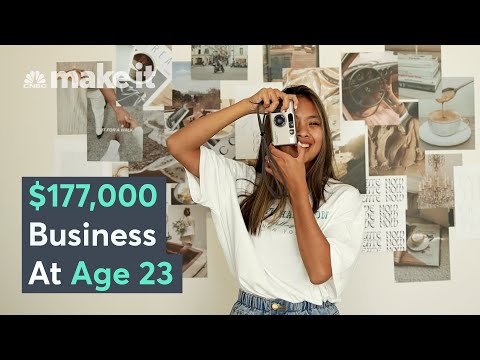
- $177,000 Stated yearly income
- 46 Weddings in 2021
- $4,500–$5,500 Average wedding spend
- ~$50,000 Spent on gear, education, contractors
The claim
That a 23-year-old turned a photography side hustle into a full-time wedding business making $177,000 a year.
- Yearly income — "I make 177 000 a year"
- Which year, and before or after costs — Not stated in the video
- Typical monthly gross — "Over ten thousand dollars a month"
- Monthly gross × 12 — $120,000+
- Weddings shot in 2021 — 46
- 46 weddings at the stated average spend — $207,000–$253,000
- Weddings booked for 2022 at recording — 34
- 34 weddings at the stated average spend — $153,000–$187,000
- Planned cap for 2023 — 25–27 weddings
- Spent on equipment, education and contractors to date — ~$50,000
What is this income idea?
Wedding photography as a solo business: sell packages of hours, photographers and photos to couples, add portrait sessions, and outsource editing and bookkeeping as volume grows.
- Grace Torres says she got her first semi-professional camera at 13 with saved birthday and Christmas money, and her first paid job was a sweet 16 for $100 for about four hours of coverage.
- Her income grew slowly while she studied and held other jobs. The video says she made under $500 at 18, about $1,500 at 19, and grossed $7,000 the following year. A Chick-fil-A job from 16, at about 15 hours a week, paid for better equipment.
- She graduated in December 2020, kept a part-time non-profit internship for stability, and went full time in May 2021. She says she invested in legal contracts and a CPA, and that clients first came from organic social media and now mostly from referrals by planners, coordinators and other photographers.
- Her packages give couples 8 to 10 hours of coverage from one or two photographers and typically 500 to 900 photos. Lifestyle sessions start at $450 and weddings at $4,000, with an average spend of $4,500 to $5,500. She cites an industry standard of $50 an hour for second shooters and $100 an hour for associate photographers.
- In 2021 she shot 46 weddings, once 10 in a single month, and says she burned out. She now outsources editing and bookkeeping, shoots weddings only on weekends, and typically grosses "over ten thousand dollars a month". She had 34 weddings booked for 2022 and plans to cap 2023 at 25 to 27.
- She is open that early years often bring little or no profit, that she has spent about $50,000 on equipment, education and contractors since her first $500 camera and lens, and that the 2020 pandemic cancelled a fully booked year and she returned many deposits.
Build a photography side hustle slowly, then go full time with wedding packages averaging about $5,000; she says it makes $177,000 a year, without saying which year or after which costs.
- First camera at 13 — ~$500 camera and lens
- Side gigs — $100 sweet 16
- Slow growth — <$500, $1,500, $7,000
- Full time — May 2021
- 46 weddings — 2021, burnout
- Outsource — Editing, bookkeeping
- Referrals — Planners, photographers
Prices and volumes are specific; annual costs and take-home pay are not given.
A slow, well-documented build with one undefined headline
The lesson underneath the number
- Most of this video is unusually concrete. It gives a year-by-year income history — under $500, about $1,500, then $7,000 — a full-time date, package contents, starting prices, an average spend, weddings shot in 2021 and booked for 2022, and a planned cap for 2023. It also gives a cumulative spend of about $50,000 on equipment, education and contractors. Few videos in this genre say what was spent.
- She is open about the hard parts as well: years of working two or three jobs, keeping a part-time internship for security, neglecting her social life early on, burning out at 46 weddings, and returning deposits when the pandemic emptied a fully booked year.
- The headline is the exception. "I make 177 000 a year" is not tied to a year and not described as revenue or pay. On our arithmetic from her own prices, 2021's 46 weddings would bring in more than $177,000 in revenue and 2022's 34 bookings about the same amount, while "over $10,000 a month" gross implies at least $120,000. Each reading fits a different year and a different meaning of "make".
- Her plan to cap 2023 at 25 to 27 weddings would, at the same prices, bring wedding revenue down to roughly $112,500 to $148,500. That is a reasonable trade for less burnout, and it means the $177,000 is not a figure she expects to repeat unless prices rise.
I did a lot of reinvesting in my business and I know it is really common to not be profiting a ton or even … at all in your early years of business.
Grace Torres, on the early years
How she says she built it
Nine years from first camera to full-time business.
No annual cost or take-home figure is given for any stage.
- Keep a job while the business grows — She worked two to three jobs through college and kept a part-time internship after graduating, going full time only when she felt financially secure.
- Reinvest early income — Savings from a Chick-fil-A job and early gigs went into better lenses and equipment. She says early years often bring little or no profit.
- Set up the back office — Legal contracts and a CPA for taxes, before going full time. Their cost is not stated.
- Sell packages, not hours — Packages set hours of coverage, number of photographers, number of photos and print rights. Weddings from $4,000; average spend $4,500 to $5,500.
- Outsource before you burn out — After 46 weddings in a year she delegated editing and bookkeeping to contractors and reduced how many weddings she takes.
- Move from social media to referrals — Organic social media brought early clients; planners, coordinators and other photographers now send most of them.
The business model
Wedding packages from $4,000 (average $4,500 to $5,500) and lifestyle sessions from $450.
Engaged couples, plus families and couples booking portrait and engagement sessions.
Full-day wedding coverage with one or two photographers and 500 to 900 edited photos.
Organic social media at first; now mainly referrals from planners, coordinators and other photographers.
- Equipment — Part of ~$50,000 spent to date
- Education — Part of ~$50,000 spent to date
- Second shooters and associates — $50–$100 an hour industry standard, as she cites
- Editing and bookkeeping contractors — Used; not priced
- CPA and legal contracts — Used; not priced
- Self-employment tax — Not mentioned
She gives a cumulative investment figure but no yearly cost, so the $177,000 cannot be turned into take-home pay.
What you would actually need
Money
About $500 for a first camera and lens, and about $50,000 spent since on equipment, education and contractors.
That is a rare and useful disclosure. What is missing is the yearly running cost: second shooters at the $50-an-hour rate she cites, editors, a bookkeeper, a CPA, travel, insurance and self-employment tax would all come out of the gross before her pay.
Named or implied, not priced per year
- Cameras, lenses and backups
- Second shooters and associates ($50–$100 an hour)
- Editing and bookkeeping contractors
- CPA and legal contracts
- Travel to weddings
- Self-employment tax
Time
Weekends for weddings, plus office work at home; years of side work before going full time.
From first paid gig to full time took around five years, alongside study and other jobs. At 46 weddings a year she describes burnout; her planned 25 to 27 is the workload she considers sustainable.
Where the time goes
- 8–10 hours of coverage per wedding
- Client calls and planning
- Editing (now outsourced)
- Bookkeeping (now outsourced)
- Portrait and engagement sessions
- Networking with planners and coordinators
The part you must pay attention to
Her own figures give a range far wider than one number.
She says "I make 177 000 a year" at the start, and later that she is "typically grossing over ten thousand dollars a month". Neither statement names a year, and only the second says it is gross.
- Weddings shot in 2021 — 46
- Stated average wedding spend — $4,500–$5,500
$207,000–$253,000
2021 wedding revenue on our arithmetic
The claim rests on what "make" means. If the $177,000 is revenue, it fits 34 weddings booked for 2022 at her average price plus portrait sessions, or 2021 at prices nearer her $4,000 minimum. If it is take-home pay, it would require 2021-level revenue after second shooters, editors and other costs. The video does not say, and it gives no yearly cost figure, so what she keeps cannot be worked out.
The business she describes is real in its detail: prices, volumes, a dated history, a disclosed $50,000 of investment and a pandemic year of returned deposits. Read the $177,000 as a figure from somewhere in a range of roughly $120,000 to $250,000 in revenue, with her pay below it by an amount the video does not state.
- HER STATED FIGURES
- "Make" per year $177,000
- Gross per month >$10,000
- x 12 >$120,000
- 2021 (OUR ARITHMETIC)
- 46 x $4,500 $207,000
- 46 x $5,500 $253,000
- 2022 BOOKINGS AT RECORDING
- 34 x $4,500 $153,000
- 34 x $5,500 $187,000
- 2023 CAP
- 25-27 x $4,500-$5,500 $112,500-$148,500
- YEARLY COSTS STATED none
The economics
Specific prices and volumes; no yearly cost or take-home figure.
- Stated yearly income — $177,000
- Typical monthly gross — >$10,000
- Weddings 2021 / booked 2022 / cap 2023 — 46 / 34 / 25–27
- Average wedding spend — $4,500–$5,500
- Second shooter / associate rate cited — $50 / $100 an hour
- Spent on equipment, education, contractors to date — ~$50,000
- Earlier income: age 18 / 19 / next year — <$500 / ~$1,500 / $7,000 gross
- Yearly costs and take-home pay — Not stated
Wedding revenue from her stated volumes and prices
46 × $4,500–$5,500 = $207,000–$253,000 (2021); 34 × $4,500–$5,500 = $153,000–$187,000 (2022 bookings)
The $177,000 sits inside the 2022 range or below the 2021 range as revenue; as take-home pay it would need 2021-level revenue
IncomeIdeaLab calculation from the stated wedding counts and average spend
Lifestyle sessions add revenue on top. Average spend may have been lower in 2021, and some 2022 bookings may have been added after recording. Costs per wedding are not stated.
- Which year the $177,000 refers to
- Whether $177,000 is revenue or what she keeps
- What she pays herself
- Yearly spend on second shooters and associates
- Editing, bookkeeping and CPA costs
- Equipment replacement and insurance
- Self-employment tax
- One second shooter for a 10-hour wedding at the $50-an-hour rate she cites is $500, about a tenth of an average wedding on our arithmetic. An associate at $100 an hour would be $1,000.
- The video says she grossed $7,000 at around 20 and was a full-time business owner at 22. The jump from $7,000 to six figures happened in roughly two years, during which she also returned deposits for a cancelled pandemic year.
- Her advice to keep a part-time job while the business grows is practical and is the opposite of quitting first, which she says she did not do.
Evidence status
Every substantive figure in the video.
- Makes $177,000 a year — Grace Torres — Year and whether gross or net not stated; fits her stated prices as revenue.
- Typically grossing over $10,000 a month — Grace Torres — $120,000-plus a year; lower than the headline.
- 46 weddings in 2021 — Grace Torres and narration — $207,000–$253,000 at the stated average on our arithmetic.
- 34 weddings booked for 2022 — Narration — $153,000–$187,000 at the stated average.
- Weddings from $4,000, average $4,500–$5,500 — Grace Torres — Specific and consistent with the volumes.
- ~$50,000 spent on equipment, education and contractors — Narration — Cumulative; no yearly breakdown.
- Under $500 at 18, ~$1,500 at 19, $7,000 the next year — Narration — A dated, slow ramp, stated openly.
- Cap of 25–27 weddings in 2023, half booked — Grace Torres — Implies lower wedding revenue at current prices.
- Yearly costs and take-home — Nobody — Not stated in the video.
What is actually proven?
The business is described in detail; the headline is not defined.
- Prices, wedding counts and a dated income history.
- About $50,000 spent on equipment, education and contractors.
- 2021 wedding revenue of $207,000–$253,000 at her stated average.
- 2023 cap implies $112,500–$148,500 in wedding revenue at current prices.
- Which year the $177,000 is, and whether it is revenue or pay.
What the headline doesn’t tell you
A clear business with an undefined top-line number.
- No year is given. — For the $177,000.
- "Make" is not defined. — Revenue or pay.
- Monthly gross is lower. — $10,000-plus a month.
- 46 weddings caused burnout. — She says so.
- 2023 is capped at 25–27. — Less revenue at current prices.
- Contractors cost money. — Not priced per year.
- It took about nine years. — From first camera.
Should you try it?
A realistic model if you build it slowly alongside a job
The path she describes is gradual and well documented. Plan on years, real equipment spending and contractor costs before the gross becomes pay.
- Detail on prices and volumes — 8 — Packages, prices, counts and a cap are all given.
- Honesty about the slow start — 8 — Year-by-year income, burnout and returned deposits.
- Disclosure of investment — 6 — ~$50,000 to date; no yearly costs.
- Clarity of the headline — 3 — No year, no gross or net.
- Beginner accessibility — 5 — Low start, but years of skill and referrals needed.
- The useful part of this video is how slowly it went. A $100 first gig, under $500 at 18, $1,500 at 19, $7,000 the year after, and full time only after graduating with a part-time job kept for safety. That is a sound way to test a service business without betting your rent on it.
- Use her prices to plan, not the headline. Weddings from $4,000 with an average near $5,000 and a sustainable 25 to 27 weddings a year is about $112,500 to $148,500 in wedding revenue on our arithmetic, before second shooters, editors, bookkeeping, equipment, insurance and self-employment tax.
- Budget for investment. She has spent about $50,000 on equipment, education and contractors so far. Wedding work also carries seasonal and cancellation risk: in 2020 she returned deposits for a year that had been fully booked.
- Referrals from planners and other photographers became her main source of clients. That takes time and good work to build, and it is the part of the business no one can buy.
Passive or automated?
Automation
Every wedding needs her behind the camera.
Passive potential
Income follows each booked day of shooting.
Wedding photography is a personal service. She has delegated editing and bookkeeping, and can add second shooters and associates, but each wedding still needs her for 8 to 10 hours and the client relationship before it. Her own cap of 25 to 27 weddings shows the limit: revenue grows with days worked, and she chose fewer days to avoid burnout.
- Shooting each wedding in person
- Client calls, planning and contracts
- Managing editors and second shooters
- Building referral relationships
- Marketing between referral seasons
Recommended beginner experiment
Test demand while you still have a paycheck.
- Shoot five paid portrait sessions. — Price from her $450 floor.
- Second-shoot for an established photographer. — At the $50-an-hour rate.
- Get a contract and a CPA early. — As she did.
- Price a full wedding with every cost. — Second shooter, editing, travel.
- Track gross and pay separately. — The video does not.
- Ask planners for referrals. — Her main channel now.
- Set a yearly wedding cap. — Before you burn out.
Our verdict: 6/10
A detailed, slow-built business behind an undefined headline figure with real prices, real volumes and no yearly costs
Credited for a dated, year-by-year income history, specific package prices and wedding counts, a disclosed ~$50,000 of spending on equipment, education and contractors, and openness about burnout and pandemic refunds. Marked down because the $177,000 is not tied to a year or described as revenue or pay, because her own figures span roughly $120,000 to $250,000 in revenue, and because no yearly cost or take-home figure is given.
Grace Torres describes a wedding photography business in more detail than most income videos manage: a $100 first job, a slow climb from under $500 to $7,000 a year while studying, full time in May 2021, weddings from $4,000 with an average spend of $4,500 to $5,500, 46 weddings in 2021 and 34 booked for 2022. She discloses about $50,000 spent on equipment, education and contractors and the deposits she returned in 2020. The headline is the one loose figure. "I make 177 000 a year" names no year and does not say whether it is revenue or pay; her own numbers put revenue anywhere from $120,000-plus to about $250,000 depending on the year, and no yearly cost is given. Her planned cap of 25 to 27 weddings would bring wedding revenue to about $112,500 to $148,500 at current prices. The model is credible and the path she recommends — keep a job until the business can carry you — is sound. Plan from her prices and volumes, and expect take-home pay to be meaningfully below the gross.
- Stated yearly income — $177,000
- 2021 revenue at stated prices — $207,000–$253,000
- 2022 bookings at stated prices — $153,000–$187,000
- Invested to date — ~$50,000
- Yearly costs — Not stated
- Beginner suitability — Yes, built slowly beside a job
Sources
- How I Turned My Love For Photography Into A USD 177K Business | On The Side — CNBC Make It — YouTube video, 2022-06-05