Marketplaces / Reselling · Claim Review
“Vinted Is Growing Fast... Here's The Catch”
What we found: Vinted's US Losses Are Stated Without a Figure; This Reseller's Own Numbers Are a $382 Net House Lot and Giveaways Worth a Third of Their Platform Earnings
A reasoned argument that subsidised shipping cannot last for ever, from a creator who runs a competing marketplace and says they profit from the marketplace advertising boom. No figure for Vinted's US results is given.
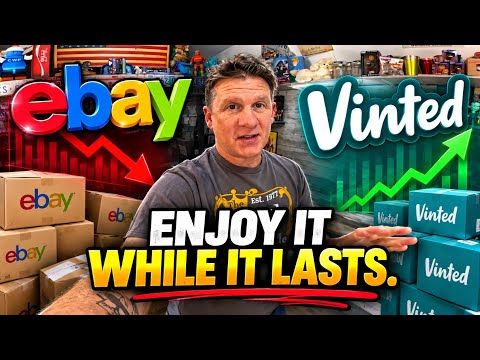
- No figure Vinted US results
- $382 House lot net profit
- ~1/3 Giveaway budget
- $0.99–$3.99 Buyer shipping now
The claim
That Vinted's rapid US growth is partly "artificial", driven by shipping subsidies, referral credit and advertising paid for with European profits and private equity, that it is operating at a loss in the US, and that sellers who abandon other marketplaces for it are acting rashly.
- Vinted is operating at a loss in the US — No figure given
- Vinted as a whole is profitable — No figure given
- Buyer shipping on Vinted — Was free; now $0.99 or $3.99
- House-clearance lot, net profit so far — $382, after all expenses
- House-lot running total on the creator's handwritten sheet — Last row 382, as written
- Running total check: $360 + ~$23 — ~$383
- Giveaways on own platform — "Essentially a third of what I make over there"
- People drawn by one $1 offer — Several hundred, sometimes a thousand
- Own platform — "We operate at a profit"
- Channel revenue from marketplace advertising — Up; no figure
What is this income idea?
Reselling second-hand goods across marketplaces, and deciding which marketplace to put your effort into when a newer one is growing fast.
- The video is a reseller's argument about Vinted, a second-hand marketplace that has expanded into the US from Europe. The creator says many viewers are moving their selling to Vinted because they are unhappy with eBay, and wants to explain why some of Vinted's current appeal may not last.
- The argument has three parts. Vinted is using profits from Europe and private equity money to grow in the US. That money pays for heavy advertising, for shipping that was free to buyers and is now 99 cents or $3.99, and for referral credit that gives buyers money to spend. And because "you get more of what you subsidize", the boom will ease when the subsidies do, though the creator expects Vinted to remain a major player.
- The creator is careful to say this is not a criticism. They call it the right strategy, compare it to Amazon running at a loss for years, and say many sellers should be selling on Vinted. Their point is that sellers should not abandon other marketplaces on the strength of conditions that are being paid for.
- They apply the same logic to themselves. They run a live-selling marketplace of their own, where once a month they give away a $1 offer that they say costs about a third of what they make there and brings several hundred, sometimes a thousand, people. They say that platform operates at a profit. They also say their own social media revenue has risen because marketplaces, Vinted among them, are advertising heavily on reselling content.
- Between points they pack and read out the week's sales and keep a running net-profit total for a house-clearance lot, which reaches $382 by the end of the video.
Cheap shipping and free credit are bringing buyers to Vinted for now; the creator expects them to ease, but no figure for Vinted's results is given.
- European profits — Plus private equity
- US advertising — Heavy, per the creator
- Shipping subsidies — Free, then $0.99–$3.99
- Referral credit — "Funny money"
- Fast growth — At a stated US loss
- Subsidies ease — Creator's expectation
A reasoned model of a marketplace launch. The figures behind it are not given.
A platform's launch terms are not its permanent terms
The lesson underneath the number
- The useful point in the video applies to any new marketplace. When a platform is spending to grow, sellers enjoy cheap shipping for their buyers, extra buyer credit and heavy advertising that they do not pay for. Those conditions are chosen by the platform and can change. A seller who moves everything onto one platform during its launch phase is relying on terms they do not control.
- The creator makes the argument without dismissing Vinted. They call its strategy correct, expect it to remain a major marketplace, and say many sellers should be on it. Their caution is narrower: do not abandon other marketplaces on the strength of subsidies.
- Where the video is weaker is evidence. Vinted's US loss is the hinge of the argument and no figure or source is given, and the creator says themselves that private companies are hard to read. The point is plausible, and it is stated as their view.
- The creator's position is also worth knowing. They run a live-selling marketplace that competes for sellers, and they say their channel has earned more from marketplace advertising. They disclose both, and they describe their own giveaways as the same strategy Vinted is using, on a small scale.
You're going to get more of what you subsidize.
The creator, on why shipping subsidies drive growth
The argument, as made
The points the creator makes, in order.
No figure for Vinted's US revenue, losses or advertising spend is given.
- Competition is good for sellers — The creator says eBay's profits are very high and that a strong competitor puts healthy pressure on it.
- Vinted's US push is funded from elsewhere — Profits from Europe and private equity are described as paying for advertising and incentives in the US, starting in the Northeast.
- Shipping and credit are subsidised — Buyer shipping was free and is now 99 cents or $3.99; a viewer reports buyers complaining even at those prices. Referral credit gives buyers money they would not otherwise spend.
- Subsidies tend to shrink — The creator expects growth to slow when incentives are scaled back, and says this has already started, while still expecting Vinted to stay a major marketplace.
- Do not abandon other marketplaces — Sell on Vinted if it suits you, but moving everything there on the strength of subsidised conditions is called a rash decision.
The business model
Fixed-price sales of second-hand goods on eBay and live sales on the creator's own platform; also channel revenue.
Collectors and general buyers of used goods.
Vintage toys, games, homeware, crafting supplies and collectables sourced from yard sales and house clearances.
eBay listings and live shows on the creator's own platform; the creator says they are not selling on Vinted.
- Stock — Individual buys mentioned; no total
- Marketplace fees — Netted out of the house-lot total only
- Shipping — Not totalled
- $1 giveaways — About a third of own-platform earnings
The house-lot figure is net of all expenses, as stated. No store-wide cost or profit figure is given.
What you would actually need
Money
Not discussed as a budget. Individual buys are mentioned: a book for about a dollar, a tobacco leaf for $3 to $5, a house-clearance lot and a bulk quilting lot.
Selling on several marketplaces needs stock and shipping supplies, and each platform charges its own fees. The house-lot total is given net of expenses, which is useful; no store-wide revenue, fee or profit figure is given.
Costs not totalled
- Stock and bulk lots
- Marketplace fees on each platform
- Shipping labels and supplies
- Storage building fit-out
- Giveaways, for anyone running their own platform
Time
Not quantified. A family member lists part of the stock, and a set of glassware took a year to sell through.
Spreading stock across marketplaces adds listing and account work for each one. The creator's own example, a year to sell one batch of glassware, shows how slowly some second-hand stock moves.
Where the time goes
- Sourcing at yard sales and house clearances
- Listing on each marketplace used
- Packing and shipping
- Tracking net profit per lot
- Watching fee and shipping changes
The part you must pay attention to
The central claim, that Vinted is losing money in the US, comes with no figure.
The creator says Vinted is "operating at a loss" in the US while the company as a whole is not, and that this is paid for by European profits and private equity.
- Buyer shipping on Vinted — Free → $0.99–$3.99
- Money given to buyers — Referral credit
- Paid from Europe and investors — Heavy advertising
US loss, size unknown
Stated by the creator; no figure or source given
The creator acknowledges that private companies do not publish the same figures as listed ones, and that it is "hard to tell" with companies that have not gone public. The loss, its size and how long Vinted can sustain it are therefore the creator's reading, not a reported result. The argument may well be right, but a reader cannot check it from the video.
The creator also has two interests worth weighing. They run a live-selling marketplace that competes for the same sellers, and they say their social media revenue has risen because marketplaces are advertising on reselling content. They state both openly. Their own platform example, giving away about a third of earnings to attract users while staying profitable, is offered as the same strategy on a small scale.
- THE HOUSE LOT, AS STATED
- Running total $360
- Next sale $27.95
- Counted as profit ~$23
- $360 + $23 = $383
- Stated total $382
- (creator rounds down)
- THE ONE SALE
- $27.95 - ~$23 ~$5 to fees,
- costs (about 18%)
- OWN PLATFORM
- Giveaways ~1/3 of earnings
- Platform said to be profitable
- (IncomeIdeaLab arithmetic)
The economics
The creator's own numbers are specific; Vinted's are not given.
- Vinted US losses — Not stated
- Vinted buyer shipping — $0.99–$3.99
- House lot net profit so far — $382
- First Garfield set from the lot, net — $50
- Own platform giveaways — ~1/3 of earnings
- People drawn per $1 offer — Hundreds to ~1,000
House-lot running total
$360 so far + about $23 counted from a $27.95 sale
About $383, against the $382 stated after rounding down
IncomeIdeaLab calculation from the figures stated in the video
The total is the creator's own record, described as net of all expenses. What the lot cost and which fees were deducted are not itemised.
- Any figure for Vinted's US revenue or losses
- Vinted's seller fees
- The creator's own platform revenue or profit in dollars
- Channel revenue from marketplace advertising
- The cost of the house-clearance lot
- A $1 offer drawing several hundred to a thousand people, at a cost of about a third of platform earnings, is the creator's own small-scale example of buying growth.
- The creator says they are not selling on Vinted and half regret not joining while incentives were strongest.
- One set of glassware is described as taking about a year to sell through, a useful reminder of how slowly some stock moves.
- The channel is said to have passed 100,000 subscribers.
Evidence status
Every substantive claim in the video.
- Vinted is operating at a loss in the US — Creator — No figure or source; the creator says private companies are hard to read.
- Growth is funded by European profits and private equity — Creator — Stated without figures.
- Buyer shipping moved from free to $0.99 or $3.99 — Creator and a viewer — Specific and consistent with the viewer message read out.
- The boom has peaked and will ease — Creator — A forecast; the creator expects Vinted to stay a major player.
- eBay is highly profitable — Creator — Referenced from an earlier video; no figure here.
- House lot $382 net profit so far — Creator — The running total adds up to within a dollar. It is shown on the creator's own handwritten sheet at about 24:44, ending at 382; whether it is net of expenses is not shown on the sheet.
- Giveaways cost about a third of own-platform earnings — Creator — Platform said to operate at a profit; no dollar figures.
- Channel revenue up from marketplace advertising — Creator — Disclosed by the creator; no figure.
What is actually proven?
The reasoning is clear; the key figure is not given.
- The subsidy argument is set out step by step and stated as opinion.
- The house-lot running total adds up.
- The creator discloses their own competing platform and advertising income.
- Vinted's US losses, revenue and advertising spend.
- How long the shipping subsidies will last.
What the headline doesn’t tell you
The catch is an argument, not a figure.
- US loss. — No figure given.
- Shipping $0.99–$3.99. — Was free.
- Competing platform. — Run by the creator.
- Ad income up. — Disclosed by the creator.
- $382 house lot. — Net, and it adds up.
- Not anti-Vinted. — "Right strategy", in their words.
Should you try it?
Sound caution for anyone choosing a marketplace
Try a new platform while its incentives are good, but keep your other channels running and measure your own net results on each.
- Reasoning — 7 — Coherent and fairly put.
- Evidence for Vinted claims — 2 — No figures.
- Disclosure of interests — 8 — Own platform and ad income stated.
- Own figures — 6 — Net lot total; no store totals.
- Beginner accessibility — 6 — Low cost to test a platform.
- If you are a reseller deciding where to list, the practical advice is reasonable: a fast-growing platform with subsidised shipping can be a good place to sell, but its terms can change. Listing on more than one platform costs time, and the creator does not say how much.
- Measure it yourself. Track net profit per sale on each platform, as the creator does for the house lot, and watch how sales change when shipping or fee terms change. That tells you more than any forecast about a platform's finances.
Passive or automated?
Automation
Cross-listing tools exist; sourcing and shipping are manual.
Passive potential
Every sale is sourced, listed and shipped by hand.
Reselling across marketplaces is hands-on. The creator's week involves sourcing from yard sales and house clearances, listing, packing and shipping, plus running live shows and giveaways on their own platform. Spreading across more marketplaces adds work rather than removing it.
- Sourcing stock
- Listing on each platform
- Packing and shipping
- Tracking net profit per lot
- Running live shows and giveaways
Recommended beginner experiment
Compare platforms on your own numbers.
- List the same type of item on two platforms. — Similar prices.
- Record net profit per sale. — After fees and shipping.
- Note buyer shipping on each. — It affects conversion.
- Track time spent per platform. — Listing and messaging.
- Review after a month. — Keep both if both pay.
Our verdict: 6/10
A fair argument about subsidies, without Vinted's figures The creator's own house lot is $382 net and adds up
Credited for a coherent, even-handed argument that a marketplace's launch incentives are not permanent, for saying plainly that Vinted's strategy is sound and that many sellers should use it, for disclosing that they run a competing platform and that marketplace advertising has raised their channel revenue, and for keeping a net-of-expenses running total on a house lot that adds up. Marked down because the central claim, that Vinted operates at a loss in the US, comes with no figure or source, and because no store-wide revenue or profit is given.
The video makes a reasonable case that some of Vinted's current pull for US sellers comes from conditions it is paying for: free and then cheap buyer shipping, referral credit and heavy advertising. The creator does not dismiss Vinted; they call the strategy correct, compare it to Amazon's years of losses, expect it to stay a major marketplace, and say many sellers should use it. Their advice is narrower and sensible: do not abandon other marketplaces on the strength of subsidies that can be reduced, and some already have been. The hinge of the argument, that Vinted is losing money in the US, is stated without a figure, and the creator says themselves that private companies are hard to read. Two interests are disclosed: the creator runs a competing live-selling marketplace and says marketplace advertising has raised their channel income. Their own numbers are specific where they are given, including a house-clearance lot at $382 net profit so far that adds up within a dollar.
- Vinted US losses — No figure
- Buyer shipping now — $0.99–$3.99
- House lot net so far — $382
- Running total check — ~$383
- Giveaways — ~1/3 of platform earnings
- Interests disclosed — Own platform, ad income
Sources
- Vinted Is Growing Fast... Here's The Catch — Commonwealth Flipper — YouTube video, 2026-10-03