Local Services / Junk Removal · Job Breakdown
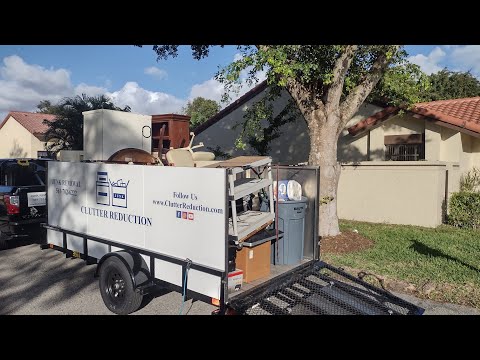
“Property Clean Out with live Estimate | USD 2,000+ Job | Day 1”
What we found: The $2,000+ Cleanout Is a Three-to-Four-Load Estimate of $1,500 to $2,200; Dump Fees, Fuel and the Final Bill Are Not Given
A candid day-one vlog of a property cleanout. One load is done on camera, helper pay is stated, and the owner says November brought 11 jobs. What the job costs to run is not stated.
- $1,500–$2,200 Estimated job value
- 1 Loads done in the video
- $60–$75 Helper pay
- Not stated Dump fees and fuel
The claim
That a single property cleanout, quoted on site, is a job worth over $2,000 for a one-truck junk removal business.
- Loads quoted to the client — Three to four
- Estimated job value — $1,500–$2,200
- Implied average per load — About $500–$550
- Cleanout charge on top — $59–$69
- Contractor bags — $2 each to the client
- Helper pay — $60–$75 a load
- Jobs in the previous month — 11
- Final invoice — Not stated
What is this income idea?
A one-truck junk removal business that charges per load and adds fees for cleanout time, heavy items and appliances.
- The owner is clearing a house after the family has taken what they want. They walk the rooms, estimate how much of a truck each will fill, and tell the client three to four loads. The owner plans one load a day, bringing a helper on Thursday for the small items.
- At the end of the day the owner says the job should come to three to four truckloads, "a $1,500 to $2,200 job", with a $59 to $69 cleanout charge on top. The owner may add heavy-item and appliance charges for a large machine in the garage and a fridge, without giving figures.
- The owner charges clients $2 per contractor bag and keeps items worth reusing or selling: a ladder, a weed whacker, an amplifier, cameras and copper wire. The owner considers a nearer transfer station to save fuel and helper time.
- The owner is open that business had been slow: November brought 11 jobs, most in the first few days, with nothing booked until Friday before this one.
Quote a house clearout by the truckload, haul it over several days, and charge extra for cleanup time and awkward items.
- Walk the property — Estimate loads
- Quote by the load — 3–4 loads
- Haul big items first — One load a day
- Bring a helper — $60–$75 a load
- Add cleanout charge — $59–$69
- Dump and get paid — Fees not stated
Revenue per load is clear in outline; the cost of each load is not given.
A real job, priced by the load, with the cost side left open
The lesson underneath the number
- This is a working vlog rather than a pitch, and it is useful for that. The owner shows how a cleanout is estimated: room by room in fractions of a truck, then a total in loads. They explain their add-ons, plan the job over several days around their own schedule and a helper’s day off, and weigh a nearer transfer station against fuel and helper time.
- The title figure is an estimate. At the end of day one the owner expects three to four loads and a $1,500 to $2,200 job; the $2,000+ in the title is reached only at the upper end, close to four loads. Only one load is done in the video, so whether the job came in at that figure is not stated.
- The cost side is mostly missing. Helper pay is stated at $60 to $75 a load, still undecided. Dump fees, fuel and the cost of running the truck are not given, and for junk removal those decide what a load is worth to the owner.
- The owner is candid about the business, saying November was slow, with 11 jobs, most in the first few days of the month, with nothing booked until Friday. That context matters: a $1,500 to $2,200 job is significant for a month like that, and the video does not suggest this is typical.
November sucked. I had like 11 jobs in November.
The owner, at the end of day one
The job, as described
Day one of a multi-day clearout.
The video covers only the first load; the remaining loads and the final bill are not covered.
- Walk through and estimate — Room by room the owner estimates fractions of a truck: half to five-eighths for the bedroom, half to three-quarters for the garage, and quotes three to four loads.
- Clear the bulky furniture first — Day one takes the living room, dining room and breakfast area furniture, file cabinets and items by the entry, filling one truck.
- Schedule the rest — Another load the next day, then a helper on Thursday for small items and a heavy machine in the garage.
- Add charges for extras — A $59 to $69 cleanout charge for the time spent on small items, $2 per bag, and possible heavy-item and appliance charges with no figures given.
- Keep what can be reused or sold — Tools and electronics found on the job are kept. No resale value is given for any of them.
The business model
Per-load pricing for junk removal, with add-on charges for cleanout time, bags, heavy items and appliances.
Property owners clearing a house, here after the family has taken what they want.
Clearing a whole property quickly, with an on-site estimate and a plan over a few days.
Not stated for this job.
- Helper pay — $60–$75 a load, stated as undecided
- Dump fees — Not stated
- Fuel — Mentioned as a reason to use a nearer station; no figure
- Truck and insurance — Not mentioned
- Contractor bags — Charged at $2 each; cost to the owner not given
Helper pay is the only cost line given a figure in the video.
What you would actually need
Money
Helper pay and bag pricing are mentioned; other costs are not.
A junk removal business needs a truck or trailer, insurance, disposal fees for every load and fuel. The video gives a figure only for helper pay.
Costs that apply, not priced in the video
- Truck or trailer, and its upkeep
- Dump or transfer station fees per load
- Fuel
- Helper pay, stated at $60 to $75 a load
- Insurance
- Contractor bags and tools
- Marketing to find jobs
Time
One load a day over several days.
Each load includes loading, driving to the dump and waiting there. The owner notes the nearer transfer station is slower, which shows how much time sits outside the house itself.
Where the time goes
- Walking and quoting the job
- Loading by hand
- Driving to and waiting at the dump
- Bagging small items
- Finding the next job
The part you must pay attention to
The $2,000+ is an estimate of what the client will pay across loads not yet hauled, before any of the owner’s costs.
At the end of day one the owner says: "I think it’ll end up being about the three to four truck mark which is perfect that’ll be a $1,500 to $2,200 job."
- Estimated client price — $1,500–$2,200
- Helper, one to two loads — $60–$150
- Dump fees and fuel, 3–4 loads — ?
Unknown
What the owner keeps
Disposal fees are usually the largest cost of a junk load, and the video gives no figure for them, or for fuel or the truck. The estimate also depends on the job taking four loads to reach the $2,000+ in the title; at three loads the stated range starts at $1,500.
The stated range implies about $500 to $550 per load including extras (our calculation: $1,500 over three loads, $2,200 over four). The helper is stated at $60 to $75 a load; if the helper works one or two loads, that is $60 to $150. What is left after dump fees and fuel cannot be worked out from the video.
- THE ESTIMATE
- 3 loads = $1,500
- 4 loads = $2,200
- Per load (ours) ~= $500-$550
- + cleanout charge $59-$69
- WHAT COMES OUT
- Helper (1-2 loads) $60-$150
- Dump fees ???
- Fuel, truck ???
- = owner keeps ???
- DONE IN THE VIDEO 1 load
The economics
An estimated price range and one stated cost.
- Estimated loads — 3–4
- Estimated job value — $1,500–$2,200
- Cleanout charge — $59–$69
- Bag charge to client — $2 each
- Helper pay — $60–$75 a load
- Jobs in November — 11
- Dump fee per load — Not stated
Revenue per load
$1,500 ÷ 3 = $500; $2,200 ÷ 4 = $550
About $500 to $550 per load, including extras
IncomeIdeaLab calculation from the figures stated in the video
This is the client’s price, not the owner’s margin. Dump fees, fuel and truck costs come out of each load and are not stated.
- Dump or transfer station fee per load
- Fuel and truck running costs
- The final amount invoiced for the job
- Resale value of items kept from the property
- Insurance and business costs
- Revenue for November or any other month
- The job value is given as an estimate at the end of day one; it is tagged as projected.
- The heavy-item and appliance charges the owner may add are not given figures.
- The owner prefers not to touch a fridge they consider a hazard and would charge to remove it whole, which is a sensible safety point for beginners.
Evidence status
Every figure and result stated in the video.
- Three to four loads — Owner’s estimate — One load done in the video.
- A $1,500–$2,200 job — Owner — Client price; $2,000+ needs about four loads.
- $59–$69 cleanout charge — Owner — Add-on for time on small items.
- $2 per contractor bag — Owner — Charged to the client.
- Helper at $60–$75 a load — Owner — Stated as undecided.
- 11 jobs in November — Owner — Stated openly as a slow month.
- Items kept to reuse or sell — Owner — No values given.
- Dump fees, fuel, final bill — Nobody — Not stated in the video.
What is actually proven?
The estimating method is clear; the job’s outcome is not covered.
- The owner estimates the job at three to four loads and $1,500 to $2,200.
- One load is completed on day one.
- Add-on charges and helper pay are stated.
- The final invoice for the job.
- Dump fees, fuel and what the owner keeps.
What the headline doesn’t tell you
A quote is not a payment, and a payment is not a profit.
- $2,000+ is an estimate. — Made on day one.
- The range starts at $1,500. — At three loads.
- One load is done in the video. — Of three or four.
- Dump fees are not given. — For any load.
- A helper costs $60–$75 a load. — Stated.
- The month was slow. — 11 jobs, said openly.
Should you try it?
A realistic look at one job, not a picture of monthly income
Learn the estimating method here, then find your local dump fees and price a load before setting rates.
- Clarity of the method — 7 — Room-by-room load estimates explained.
- Evidence for the title figure — 4 — An estimate; one load done.
- Cost disclosure — 3 — Helper pay only.
- Honesty about the business — 8 — A slow month stated plainly.
- Beginner accessibility — 5 — Needs a truck and physical work.
- Junk removal has a low barrier compared with many businesses in this library: a truck or trailer, insurance and the willingness to do heavy work. The video shows the practical side of that, including estimating, scheduling around a helper and deciding which items are hazards.
- Before pricing your own loads, find out what your local dump or transfer station charges per load or per tonne, and what fuel and the truck cost per trip. Those are the costs this video does not give, and they set how much of $500 a load you keep.
- The owner’s own numbers show the income can be uneven: 11 jobs in a month described as slow. Plan for months like that rather than a $2,000 job every week.
Passive or automated?
Automation
Physical labour throughout.
Passive potential
Income stops when the truck stops.
This is hands-on service work. The owner quotes, loads, drives and dumps without outside help, bringing a helper for heavier days. Nothing in the video suggests it can run without the owner.
- Quoting each job on site
- Loading and hauling
- Driving to the dump
- Handling hazards and heavy items
- Finding the next client
Recommended beginner experiment
Price a load properly before taking a big job.
- Get local dump fees. — Per load or per tonne.
- Cost a trip. — Fuel and time to the dump.
- Set a per-load price. — Above all of it.
- Add clear extras. — Cleanout time, heavy items, appliances.
- Do small jobs first. — Learn to estimate loads.
- Track jobs per month. — Plan for slow months.
Our verdict: 5/10
An honest day-one vlog with an estimate, not a result the job is quoted at $1,500 to $2,200; its costs are not stated
Credited for a candid view of estimating and scheduling a real cleanout, stated add-on charges and helper pay, and plain disclosure of a slow month. Marked down because the $2,000+ title figure is an end-of-day estimate reached only at about four loads, because only one load is completed in the video, and because dump fees, fuel and truck costs are not given.
This video is a practical look at one day of a junk removal job and is worth watching for how the owner estimates a cleanout room by room and plans it over several days. The title figure is the owner’s estimate at the end of day one: three to four loads, a $1,500 to $2,200 job, with a $59 to $69 cleanout charge on top. The $2,000+ is at the upper end and depends on the job taking about four loads; only the first load is done in the video and the final bill is not given. On costs, the owner states helper pay of $60 to $75 a load; dump fees, fuel and truck costs are not stated, so what the owner keeps from the job cannot be worked out. The owner is open that November was slow, with 11 jobs, which is useful context for anyone weighing this business.
- Estimated job value — $1,500–$2,200
- Per load (ours) — ~$500–$550
- Helper pay — $60–$75 a load
- Owner’s margin — Not stated
- Beginner suitability — Price dump fees first
Sources
- Property Clean Out with live Estimate | USD 2,000+ Job | Day 1 — Clutter Reduction Junk Removal — YouTube video, 2022-12-07