AI Automation / Paid Search · Claim Review
“Claude Code Google Ads Agent: Automate Everything (USD 730K Earned)”
What we found: The $730K in This Claude Code Google Ads Video's Title Came From $188K of Ad Spend at the Creator's Sold Business; No Results Are Stated for the Agent
A specific, free Google Ads workflow for Claude Code. The title figure is stated once, beside the ad spend that produced it, for a business sold before this agent existed. No time frame, margin or campaign result from the agent is given.
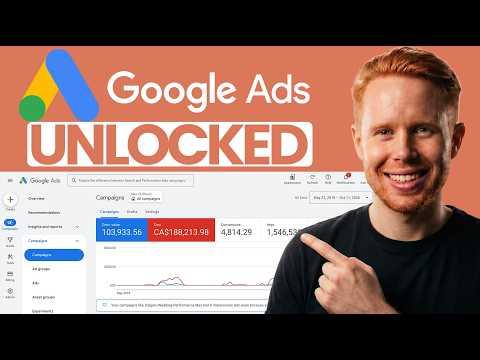
- $730,000 Generated, previous business
- $188,000 Google Ads spend
- ~3.9x Return on ad spend
- Not stated Results from this agent
The claim
That a free Claude Code agent can set up and run a Google Ads account with substantially better results in a shorter time, from a creator whose previous business turned $188,000 of ad spend into $730,000.
- Title figure — "$730K Earned"
- What the video says it is — A previous, sold business "spent $188,000 on Google Ads" and "it generated us $730,000 after we started tracking"
- Return on ad spend — $730,000 ÷ $188,000 ≈ 3.9
- Left after ad spend, before other costs — $542,000
- Time frame, revenue or profit — Not stated
- Businesses built — "Two 7-figure businesses", by the creator's account
- Time to build the agent — About a month
- Campaign results from the agent — Not stated
- Agency versus Claude Code — $5,000 against a $20 subscription
What is this income idea?
Paid search for a local service business: running Google Ads so that people searching for a service in a city see the business and call or fill in a form. The video gives away a set of Claude Code commands that build and manage the account through the Google Ads API.
- The creator introduces themselves as having "created two 7-figure businesses", and says the previous one, which they sold, "spent $188,000 on Google Ads" and "it generated us $730,000 after we started tracking this kind of stuff". That is the figure in the title. It is given once, with the ad spend beside it, and without a time frame or a statement of whether $730,000 is revenue or profit.
- The rest is a build. Viewers download templates from the creator's free community, open them in a code editor with the Claude Code extension, and connect Claude to Google Ads. That connection is the longest part of the video: a Google Cloud project, the Google Ads API enabled, access applied for in steps up to "basic" so the agent can edit a live account and research keywords, an OAuth consent screen and a desktop client credential. The creator says the agent took about a month to put together.
- An audit command scores an account and estimates money lost, with a low end the creator calls "definitive" waste and a high end where "Claude is trying to guess the indirect losses". The creator says Claude can automate "95% of everything" in the audit, and the fixes made in the demonstration include an account-level negative keyword list and conversion tracking.
- Further commands research keywords grouped by service, build a campaign (created paused, with search partner and display networks off, location set to "presence" rather than "interest", and other countries excluded), write 15 headlines and four descriptions with ad assets, build a landing page that matches the search, test that the conversion tag fires, and publish the page through GitHub and Vercel.
- The pitch is cost and time: an agency "rather than spending $5,000", against "a $20 Claude Code subscription", and work that "used to take maybe a handful of months" done "in a matter of a couple hours or days". No click, lead, cost-per-lead or sales result from campaigns built by this agent is given. The video closes with a paid community on a seven-day free trial.
A free, specific Google Ads toolkit for Claude Code; the $730,000 in the title is what the creator says an earlier business made from $188,000 of ad spend, not a result of this toolkit.
- Download templates — Free community
- Connect the API — Google Cloud setup
- Audit the account — Waste and fixes
- Find keywords — Grouped by service
- Build campaigns — Created paused
- Write ads, build pages — 15 headlines each
- Track and publish — Tag test, Vercel
A complete Google Ads workflow; its results on a live account are not stated.
A disclosed ad spend is useful; it still is not a result from the tool
The lesson underneath the number
- The Google Ads reasoning here is specific and sound. Matching the ad and the landing page to the exact search, adding negative keywords so job seekers do not trigger service ads, turning off networks that bring cheaper but weaker clicks, targeting people present in the area rather than interested in it, and testing that the conversion tag fires before spending are all practices that protect a budget. The creator also builds campaigns paused and says Claude will not activate them without consent, which is a sensible safeguard for a tool that edits a live ad account.
- The figure in the title is better documented than most. The creator gives both sides: $188,000 spent and $730,000 generated, a return of about 3.9 times spend by our arithmetic. That is a useful benchmark. What it is not is earnings: the video does not say whether $730,000 is revenue or profit, over what period, or what it cost to deliver the work that brought it in, and the business was sold before this agent existed.
- The cost comparison in the pitch, "$5,000" for an agency against "a $20 Claude Code subscription", sets aside the largest line in any Google Ads plan, which is the ad spend. An agency fee and a Claude subscription are both small next to a budget like the $188,000 the creator mentions. The comparison also leaves out the owner's own time to review keywords, ads and pages before they go live.
- The commercial side is open. The templates come from the creator's free community and the video closes with the paid community's seven-day free trial, which the creator says covers account setup, landing pages, Google Maps, local services ads and split testing in more depth.
The previous business I sold spent $188,000 on Google Ads; it generated us $730,000 after we started tracking this kind of stuff.
The creator, in the introduction
The workflow, as the creator gives it
Each step is a command run inside Claude Code against a connected Google Ads account.
No click, lead or sales result is given for any step.
- Connect Claude to Google Ads — Create a Google Cloud project, enable the Google Ads API, apply for access up to the basic level, set up an OAuth consent screen and a desktop credential, then let a setup command finish the connection. The creator estimates access is granted "probably within two minutes".
- Audit an existing account — A before-and-after score, money spent, and a range of money lost: definite waste at the low end, Claude's estimate of indirect losses at the high end. The creator suggests waiting about a month for data on a new account.
- Fix what the audit finds — In the demonstration this includes an account-level negative keyword list, so searches such as job seekers do not trigger ads, and conversion tracking for calls and forms.
- Research keywords by service — Keywords grouped by the services offered, with secondary terms and search volume for each. The creator says this used to take a couple of days by hand.
- Build the campaign carefully — Campaigns start paused and are not activated without consent. Display and search partner networks are off, nearby municipalities are added, other countries excluded, and targeting set to people present in the area rather than interested in it.
- Write ads that match the search — Fifteen headlines and four descriptions, with a pinned headline that mirrors the search and an unpinned one carrying the offer, plus call, message and quote assets.
- Build, test and publish the landing page — Generate a page for the campaign, confirm the conversion tag fires with Google Tag Assistant, publish through GitHub and Vercel, then update the ad's final URL. The creator says some of their own landing pages converted at "approximately up to 20%".
The business model
For a business: calls and form leads from paid search. For the creator: a free toolkit that leads into a paid community.
Local service businesses, and anyone running their own Google Ads instead of hiring an agency.
Agency-level account setup, auditing and ad writing run as commands, for the price of a Claude subscription.
A free community where the templates are downloaded, YouTube videos, and a paid community with a free trial.
- Google Ads spend — The main cost of the model. No budget suggested
- Claude Code — "$20" subscription, as stated
- Hosting and code storage — Free plans, as stated
- Paid community — 7-day free trial; price after not stated
- Review and monitoring time — Not estimated in the video
The one large cost the creator discloses is their own past ad spend, $188,000. No budget is suggested for a viewer starting out.
What you would actually need
Money
The agent is free, Claude Code is "a $20 subscription", and GitHub and Vercel are free. An agency is framed as "$5,000".
The largest cost is not in that comparison: the ad budget itself. The creator's own reference point is $188,000 of Google Ads spend at the previous business, and no daily or monthly budget is suggested for a viewer. The $5,000 agency figure is given without a period. Price the Claude plan you would need and set an ad budget you can afford to lose while testing.
Priced and unpriced
- Google Ads spend: no budget suggested
- Claude Code: "$20", as stated
- GitHub and Vercel: free accounts, as stated
- Paid community: 7-day trial, then not priced
- Your time reviewing every change before it goes live
Time
The API setup is "a three-minute journey". Work that took "a handful of months" takes "a couple hours or days".
The setup is longer than three minutes for most first-timers, and the creator says they have done it "like 50 times". A new account needs about a month of data before the audit is useful, by the creator's own advice. How long campaigns take to become profitable is not stated.
Where the time goes
- Google Cloud project, API access and credentials
- About a month of data before auditing a new account
- Reviewing keywords, ads and landing pages
- Testing form and call conversions
- Watching spend and results after going live
The part you must pay attention to
The $730K came from $188K of ad spend at a business the creator sold; it is not a result of this agent.
The title reads "$730K Earned". In the video, the figure appears once, in the introduction: the previous business "spent $188,000 on Google Ads" and "it generated us $730,000 after we started tracking this kind of stuff".
- Generated, previous business — $730,000
- Google Ads spend — $188,000
- Delivery, staff, tools: not stated — ? costs
$542,000 before other costs
What was kept cannot be worked out
The load-bearing assumption in the title is that "$730K Earned" describes what this agent produces, or what was earned. The video supports neither. The figure belongs to a business sold before the agent existed, it covers only the period "after we started tracking", no time frame is given, and "generated" reads as revenue rather than earnings: the cost of delivering the service, staff and tools is not stated. No result from campaigns built by the agent is given.
Credit where it is due: the creator states the ad spend beside the result, which lets a reader work out a return of about 3.9 times spend. That is more than most videos in this genre provide. It still describes a past business with its own offer, prices and margins, and says nothing about what this agent will do for yours.
- THE TITLE FIGURE
- Generated $730,000
- Ad spend -$188,000
- ---------------------------
- After ads $542,000
- Less delivery, staff,
- tools not stated
- 730 / 188 = ~3.9x ROAS
- 188 / 730 = ~26% of
- revenue on ads
- THE AGENT
- Build time ~1 month
- Campaign results not stated
The economics
A disclosed spend and return from a previous business, and no budget for the reader.
- Generated, previous business — $730,000
- Google Ads spend, same business — $188,000
- Return on ad spend — ~3.9x
- Ad spend as a share of the $730,000 — ~26%
- Time frame, revenue or profit — Not stated
- Best landing page conversion rate — "Approximately up to 20%"
- Claude Code — $20 subscription
- Results from the agent — Not stated
What the title figure can and cannot tell you
$730,000 − $188,000 ad spend = $542,000, less unstated delivery, staff and tool costs
A return of about 3.9 times ad spend; profit cannot be worked out, and none of it relates to this agent
IncomeIdeaLab calculation from the two figures stated in the video
Whether a 3.9x return is profitable depends on the business's margin, which is not stated. At a 30% margin on $730,000, gross profit would be about $219,000, roughly $31,000 more than the ad spend; at 20%, about $146,000, roughly $42,000 less. These margins are our illustration, not the creator's figures.
- The time frame of the $730,000 and the $188,000
- Whether $730,000 is revenue or profit
- The previous business's margin and delivery costs
- Any click, lead or sales result from this agent
- A suggested ad budget for a viewer
- The paid community's price after the trial
- The creator describes having built "two 7-figure businesses" and says the sold one generated $730,000 from Google Ads. The video does not say whether "7-figure" refers to revenue, a sale price or something else.
- The audit's upper estimate of money lost is, in the creator's words, where "Claude is trying to guess the indirect losses". Treat the high end as an estimate, not a measured loss.
- The "$5,000" agency figure is given without a period, and the comparison with a $20 subscription does not include ad spend.
- The "approximately up to 20%" conversion rate applies to "some of these landing pages" in the creator's own account, not to pages built by the agent.
Evidence status
Every substantive claim in the video.
- "$730K Earned" — Video title — In the video: generated by a previous, sold business from $188,000 of ad spend; no time frame; not from this agent.
- $188,000 spent on Google Ads — Creator — A useful disclosure; we could not check it from the video.
- Created two 7-figure businesses — Creator — The creator's statement; we make no claim either way.
- "Substantially better results in a shorter time frame" — Creator, introduction — No result from the agent is given to support it.
- Agency "$5,000" versus "$20" Claude Code — Creator — No period for the agency figure; ad spend not included.
- Claude can automate 95% of the audit — Creator — We could not check this from the video.
- API access granted "probably within two minutes" — Creator — The creator's estimate.
- Campaigns are not activated without consent — Creator — A sensible safeguard; created paused.
- Some landing pages converted at up to 20% — Creator — The creator's own account, not agent-built pages.
- Clicks, leads or sales from the agent — Nobody — Not stated in the video.
What is actually proven?
The workflow is described in full. Its results are not stated.
- Each command and the API setup are walked through.
- The creator says a previous business turned $188,000 of ad spend into $730,000.
- That is a return of about 3.9 times ad spend.
- The time frame, margin and profit behind it.
- Any click, lead or sales result from this agent.
- A suggested ad budget for someone starting out.
What the headline doesn’t tell you
The title figure is background, not a result.
- $730K needed $188K of ads. — Stated in the video.
- Generated is not earned. — Profit not stated.
- From a sold business. — Before this agent existed.
- No time frame. — One year or several.
- No agent results. — Clicks, leads or sales.
- $20 versus $5,000. — Ad spend left out.
- No budget suggested. — For a new account.
- Ends with a paid community. — After a 7-day trial.
Should you try it?
A useful free toolkit; the budget risk is yours
Worth using for the audit, negative keywords, campaign settings and conversion testing. Set a test budget first, review every change, and ignore the title figure when deciding.
- Specificity of the workflow — 8 — Every setting and command is given.
- Quality of the ads reasoning — 8 — Search-matching, negatives, presence targeting, tracking.
- Support for the title figure — 4 — Ad spend disclosed; no time frame or margin.
- Results from the agent — 0 — None stated.
- Cost disclosure — 3 — Claude priced; no ad budget suggested.
- Safeguards on a live account — 7 — Campaigns created paused; consent before activation.
- Disclosure of commercial interest — 6 — Free and paid communities both stated.
- Beginner accessibility — 4 — API and OAuth setup is the hardest part, by the creator's account.
- If you already run Google Ads for a local business, the audit and the settings in this video are worth checking against your own account: negative keywords, conversion tracking, networks turned off, location set to presence, and ads and landing pages that repeat the search. These are low-cost changes that can stop money going to clicks that will never become customers.
- If you are starting from nothing, the hard part is not the commands but the budget. The video does not suggest one, and the creator's own reference point is $188,000 of spend. Decide how much you can afford to spend learning, keep campaigns paused until you have reviewed them, and confirm the conversion tag fires before any money is spent.
- Expect the setup to take longer than the creator's "three-minute journey". It involves a Google Cloud project, API access levels, an OAuth consent screen and a credential file, and the creator says they have done it about fifty times.
- Do not decide on the title. The $730,000 is what the creator says an earlier business generated from $188,000 of ads, with no time frame or margin. The video does not say what this agent has done for any account. Track cost per lead and cost per customer from the first week and judge it on those.
Passive or automated?
Automation
Building, writing and auditing are automated; budget and approval decisions are not.
Passive potential
Paid traffic stops when spending stops, and every lead needs serving.
The agent automates much of the setup and maintenance: audits, keyword lists, campaign structure, ad copy and landing pages. Nothing about the income is passive. Paid search buys each click, so leads stop when the budget does, and campaigns need monitoring as costs and competition change. The creator builds campaigns paused so a person approves them, and every lead they produce is for a service business that still has to do the work.
- Setting and adjusting the ad budget
- Reviewing campaigns before activation
- Checking conversion tracking still works
- Monitoring cost per lead and pausing poor campaigns
- Answering calls and serving each customer
Recommended beginner experiment
Small budget, full tracking, one service in one city.
- Work out what a customer is worth. — Before setting any budget.
- Set a test budget you can lose. — None is suggested in the video.
- Connect the API and run the audit. — On an existing account.
- Add negative keywords first. — Careers, jobs, unrelated services.
- Build one campaign, one service. — Keep it paused until reviewed.
- Test the conversion tag. — Forms and calls.
- Go live and track cost per lead. — Daily for the first weeks.
- Judge it at 30 days. — On customers, not clicks.
Our verdict: 5/10
A detailed free Google Ads toolkit, titled with a figure from a different business with the ad spend disclosed, and no stated result from the agent itself
Credited for a complete, specific walkthrough of API setup and each command, sound campaign settings that protect a budget, campaigns created paused with consent required before activation, free templates, and for stating the $188,000 of ad spend beside the $730,000 figure. Marked down because the "$730K Earned" in the title comes from a previous business the creator sold before building this agent, with no time frame and without saying whether it is revenue or profit; because no click, lead or sales result from the agent is given; because the $5,000-versus-$20 comparison leaves out ad spend; and because no starting budget is suggested.
As a Google Ads walkthrough, this video is generous and specific. It hands over free templates and explains each step: connecting Claude to the Google Ads API, auditing an account for waste, adding negative keywords, setting up conversion tracking, researching keywords by service, building campaigns that start paused with weak networks turned off and location set to presence, writing ads that mirror the search, and building and testing a matching landing page. The creator also does something most videos of this kind do not: they state the ad spend behind their headline figure. "$730K Earned" corresponds to a previous business that "spent $188,000 on Google Ads" and "generated us $730,000", a return of about 3.9 times spend by our arithmetic. That figure has no time frame, is not identified as revenue or profit, and comes from a business sold before this agent existed. No result from campaigns built by the agent is given, the $5,000-versus-$20 comparison sets aside the ad budget, and no starting budget is suggested. Use the settings and the audit, set a budget you can afford to test with, review every change, and measure it on cost per customer.
- Title figure — $730K, from a sold business
- Ad spend behind it — $188,000
- Return on ad spend — ~3.9x
- Time frame, margin — Not stated
- Agent results — Not stated
- Beginner suitability — Useful; set a budget first
Sources
- Claude Code Google Ads Agent: Automate Everything (USD 730K Earned) — Jono Catliff — YouTube video, 2026-10-11
- FTC — Guides Concerning the Use of Endorsements and Testimonials — Regulatory guidance on endorsements and material connections