Print on Demand / AI Design · Claim Review
“The NEW Way To Create T-Shirt Designs in 2026 (Full Tutorial)”
What we found: AI T-Shirt Design Workflows: The Big Revenue Figures Are Tool Estimates for Other Sellers, Not Results From the Method
A disclosed, sponsored tutorial. The $700,000 and $200,000 figures are sales-tool estimates for other shops' best-sellers, and no sales are stated for any design made in the video.
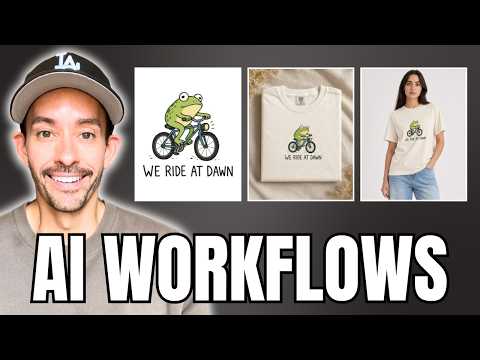
- ~$700k Bootleg-style shirt, all time
- $200k+ Pet portrait, all time
- 15 tokens Cost per design
- None stated Sales of designs made here
The claim
That preset AI workflows let a print-on-demand seller create on-trend designs that sell, plus listing images and videos, in seconds and without design skills.
- Creator's background — "Millions in sales across two apparel brands"
- Time per design — About 60 seconds
- Cost per design — 15 tokens
- Cost of a 6-second video — 210 tokens, about 3 minutes
- Bootleg-style shirt (other seller) — ~900 sales and $13,000 last month; 46,000 sales and nearly $700,000 since January 2024
- Pet portrait (other seller) — 400+ sales and $11,000 last month; 7,700 sales and over $200,000 all time
- Implied price per sale — ~$14–$15 and ~$26–$28
- Dollar cost of tokens, base cost of shirts — Not stated
What is this income idea?
Print on demand: upload a design, let a supplier print and ship each order, and sell the product through Shopify, Etsy or Amazon.
- The video is a tutorial for one part of that business: making the designs and the listing images. The creator says he has "done millions in sales across two apparel brands" and helps people make money with print on demand.
- The sponsored platform offers preset AI "workflows": pick a style, type a subject and a phrase, and get a finished design without writing a prompt or choosing a model. He shows three uses: a quick design from a template, a new design matched to the style of an existing best-seller, and personalised designs from a customer's photo, such as a pet portrait.
- Each design takes "about 60 seconds" and costs 15 tokens. The same platform then produces a product mockup, a styled flat-lay image, a model photo and a short try-on video for social media. Video is much more expensive: a six-second clip took 210 tokens.
- To show demand for these styles he cites a sales-research tool's estimates for two other sellers' listings: a bootleg-style shirt estimated at about 900 sales and $13,000 in the last month and nearly $700,000 since January 2024, and a pet portrait estimated at $11,000 in the last month and over $200,000 all time.
- He finishes by placing the design on a shirt in Printify, uploading the generated mockups, and noting that Printify can publish to Shopify, Etsy or Amazon. He says the platform and Printify partnered on the video and that his links are affiliate links.
Generate trend-style designs and listing images from presets, then list them through a print-on-demand supplier. The video stops before any sale.
- Pick a preset style — Doodle, bootleg, portrait
- Add subject and phrase — No prompt writing
- Generate design — 15 tokens, ~60 seconds
- Make mockups — Flat-lay, model photo
- Make a try-on video — 210 tokens for 6 seconds
- Set up in Printify — Publish to a store
The design and listing steps of a print-on-demand shop, shown end to end. Pricing, sales and marketing results are outside the video.
Faster designs are not the same as more sales
The lesson underneath the number
- The workflow he demonstrates does what he says it does on camera: a design in about a minute from a style preset, then a mockup, flat-lay, model photo and try-on video from the same design. For a seller who struggles with prompts, presets that remove the trial and error are a real saving, and he is specific about the token cost of each step, including the warning that video is roughly fourteen times the cost of a design.
- The revenue figures need more care. They come from a sales-research tool estimating what two existing listings by other sellers have earned. They reconcile with themselves, at roughly $14 to $15 a sale for the shirt and $26 to $28 for the portrait, and they are evidence that these styles sell. They are not evidence about the method. No sales are stated for any workflow-made design.
- There is also a tension inside the pitch. The presets are described as based on designs "that actually sell" and kept up to date with trends. Every seller with access to the same presets is offered the same trends, and the "match a merch style" workflow is built for producing variations of a best-seller. Speed of production is useful; it does not by itself make a design stand out.
- The commercial relationship is stated clearly. He says the platform and Printify partnered on the video, offers a 25% discount code and a free-trial link, and says his links are affiliate links that support the channel. A viewer can weigh the tutorial with that in mind.
Sponsors and affiliates support this channel at no extra cost to you.
Adrian Vonarx, disclosing the video's partnership
The three ways to make a design, as he shows them
All three run inside the sponsored platform.
No sales or profit figure is given for any design made in the video.
- Quick: start from a trend preset — Describe a subject, add a phrase, choose a style and a background colour matched to the shirt. One generation costs 15 tokens and took about 60 seconds.
- Strategic: match a best-seller's style — Upload a reference design and ask for a new phrase in the same style for a different niche. He presents this as his favourite approach.
- Personalised: build from a customer's photo — Bootleg-style collages and pet portraits generated from an uploaded photo, each in under a minute by his account.
- Generate listing images — A mockup on the exact shirt model and colour, a flat-lay scene and a model photo, each from a preset.
- Generate a short marketing video — A six-second try-on clip for social media cost 210 tokens and took about three minutes. He flags that video uses far more tokens.
- Publish through Printify — Place the design on the shirt, upload the generated mockups, fill in the listing and publish to the chosen store.
The business model
Retail sales of printed shirts and other products, each made and shipped by a print-on-demand supplier when ordered.
Shoppers on Shopify stores, Etsy or Amazon looking for trend-style or personalised apparel and gifts.
On-trend or personalised designs, presented with professional-looking mockups and videos.
Store listings published through Printify, with short try-on videos for TikTok and Instagram.
- Design platform — Tokens per design and video; price not stated
- Printify base cost and shipping — Not stated
- Store or marketplace fees — Not stated
- Samples — Not mentioned
- Advertising — Not mentioned
The tutorial covers making designs and listings. No figure is given for what a shirt costs to produce or what a seller keeps per sale.
What you would actually need
Money
A free trial is available, with a 25% discount code for paid plans. No design software or design experience is needed.
The cost of each design is given in tokens, but the price of a token or a plan is not stated, so the cost per design or per video cannot be worked out from the video. The base cost of the shirt and the store's fees, which set the margin, are not mentioned.
Costs named but not priced
- Design platform plan or tokens (15 per design, 210 per short video)
- Printify base cost and shipping per shirt
- Store fees on Shopify, Etsy or Amazon
- Samples to check print quality
- Advertising, if used
Time
Designs in about 60 seconds; a full set of design, mockups and video "in a matter of minutes".
The generation times are plausible from what he describes. The slower work is outside the tool: choosing niches and phrases worth selling, writing listings, and finding buyers among many sellers using the same presets.
Where the time goes
- Researching trends and niches
- Generating and selecting designs
- Making mockups and videos
- Setting up products and listings
- Marketing, not covered in the video
The part you must pay attention to
The big revenue numbers belong to other sellers, and are estimates.
The two largest figures in the video, nearly $700,000 and over $200,000, are a sales-research tool's estimates for two existing listings in the styles he demonstrates. He says "estimates" each time.
- Estimated all-time revenue, bootleg shirt — ~$700,000
- Estimated all-time sales — 46,000
~$15 per sale
Implied average price; last month implies ~$14
The estimates are internally consistent: the bootleg shirt's last month implies about $14.44 per sale and its all-time figure about $15.22, while the pet portrait implies about $27.50 and $26 respectively. But they describe revenue for listings that already exist, made by other sellers, not profit and not results from designs made with these workflows. The video does not say how the estimating tool arrives at its figures, and it states no sales for any design made in the video.
These figures show that demand exists for bootleg-style and pet-portrait products. They do not show what a new seller using the same presets would earn. A design made from a trend preset joins every other shop selling that trend, and margin per shirt depends on base costs and fees that the video does not state.
- BOOTLEG-STYLE SHIRT (tool estimate)
- Last month $13,000 / ~900 = ~$14.44
- All time ~$700,000 / 46,000 = ~$15.22
- Since Jan 2024, ~31 months to video
- Average month ~$22,600, ~1,480 sales
- -> last month is below its average
- PET PORTRAIT (tool estimate)
- Last month $11,000 / ~400 = ~$27.50
- All time ~$200,000 / 7,700 = ~$26
- STILL UNKNOWN
- Shirt base cost not stated
- Store fees not stated
- Price of a token not stated
The economics
Token costs given, money costs not; revenue figures belong to other shops.
- Tokens per design — 15
- Tokens per 6-second video — 210
- Discount code — 25% off paid plans
- Bootleg shirt, last month (estimate) — ~900 sales, $13,000
- Bootleg shirt, all time (estimate) — 46,000 sales, ~$700,000
- Pet portrait, last month (estimate) — 400+ sales, $11,000
- Pet portrait, all time (estimate) — 7,700 sales, $200,000+
- Price per token or plan — Not stated
- Base cost per shirt — Not stated
Implied price per sale from the estimates
$13,000 ÷ 900; $700,000 ÷ 46,000; $11,000 ÷ 400; $200,000 ÷ 7,700
~$14.44 and ~$15.22 for the shirt; ~$27.50 and ~$26 for the portrait
IncomeIdeaLab calculation from the estimates quoted in the video
These are a third-party tool's estimates of revenue for other sellers' listings. They are not profit, and they say nothing directly about designs made with the workflows shown.
- The dollar price of tokens or plans
- Printify base cost and shipping for the shirt used
- Store fees and the resulting margin per shirt
- Any sales of a design made in the video
- Revenue or profit from his own brands
- The bootleg shirt's estimated last month (about 900 sales) is below its estimated all-time monthly average of roughly 1,480 sales since January 2024, by our calculation, so its pace may have slowed.
- A six-second video costs 14 times the tokens of a design (210 against 15), by our calculation.
- "Millions in sales across two apparel brands" is his statement about his background; no figures from those brands are given.
Evidence status
Every substantive figure in the video.
- Millions in sales across two apparel brands — Creator — His statement; we make no claim either way.
- Designs in about 60 seconds — Creator — Plausible from the steps he describes.
- 15 tokens per design; 210 per 6-second video — Creator — Token price not stated.
- Bootleg shirt: ~900 sales, $13,000 last month — Sales-tool estimate — Implies ~$14.44 per sale.
- Bootleg shirt: 46,000 sales, nearly $700,000 since January 2024 — Sales-tool estimate — Implies ~$15.22 per sale; consistent.
- Pet portrait: 400+ sales, $11,000 last month — Sales-tool estimate — Implies ~$27.50 per sale.
- Pet portrait: 7,700 sales, over $200,000 all time — Sales-tool estimate — Implies ~$26 per sale; consistent.
- Presets are based on designs that sell — Creator, about the sponsor — No data on how presets are built is given.
- Sales from designs made in the video — Not stated — The video ends at product setup.
What is actually proven?
A working design process is described; earnings from it are not.
- Each workflow step, its token cost and its time are described.
- The two sets of sales estimates are internally consistent.
- The sponsorship and affiliate links are disclosed.
- The dollar cost of a design, the shirt's base cost and the margin.
- Whether any design made this way sells.
What the headline doesn’t tell you
A design tool tutorial, with revenue figures from elsewhere.
- The big numbers are estimates. — For other sellers' listings.
- Revenue, not profit. — Base costs and fees not given.
- Tokens are not priced. — So cost per design is unknown.
- Video costs 14x a design. — He flags it himself.
- Everyone gets the same presets. — Trends are shared.
- It is sponsored. — Disclosed, with a discount code.
Should you try it?
A useful design shortcut, not a business plan
The tool may save time on designs and mockups. Pricing, margin and finding buyers are still yours to work out.
- Clarity of the tutorial — 8 — Each step and its token cost are given.
- Relevance of revenue figures to the method — 2 — Estimates for other shops.
- Internal consistency of figures — 8 — Implied prices reconcile.
- Cost disclosure — 2 — Token prices and base costs not stated.
- Disclosure of sponsorship — 9 — Partnership and affiliate links stated.
- Beginner accessibility — 6 — No design skill needed; selling still is.
- If you already run, or plan to run, a print-on-demand shop and find design the bottleneck, the presets shown here may genuinely save time. He is specific about what each step costs in tokens, so you can estimate usage before buying a plan.
- Treat the revenue figures for what they are: evidence that bootleg-style shirts and pet portraits sell, drawn from a tool's estimates of other sellers' listings. Before expecting anything similar, work out your own margin from the supplier's base cost, shipping and store fees, none of which the video gives.
- Remember that a preset available to every subscriber produces designs in the same trends for everyone. How a new shop using the same presets would stand out from other subscribers is not addressed.
Passive or automated?
Automation
Design, mockups and fulfilment are largely automated.
Passive potential
Listings can sell unattended; finding buyers is ongoing work.
Print on demand automates production and shipping, and the workflows shown automate much of design and listing imagery. What remains is the commercial work: choosing niches, deciding which designs to list, pricing for a margin, marketing, and handling customer issues when a supplier is late or a print disappoints. The tutorial covers the parts that are now fast, not the parts that decide whether anything sells.
- Choosing niches and phrases
- Selecting which generated designs to list
- Setting prices from real costs
- Marketing and posting videos
- Customer service on late or faulty orders
Recommended beginner experiment
Price the costs before generating anything.
- Get the supplier's base cost. — For the exact shirt and colour.
- Add store fees and shipping. — Set a price with a real margin.
- Work out cost per token. — From the plan you would buy.
- Make a few designs in one niche. — Not one design in many.
- Order a sample. — Check print quality yourself.
- Track views and sales per listing. — Drop what does not move.
Our verdict: 5/10
A clear, disclosed tutorial whose revenue figures are about other sellers with token costs given but no dollar cost, margin or sales from the method
Credited for a clear, step-by-step demonstration, for giving the token cost and time of each step, for warning that video generation costs far more, for labelling the sales figures as estimates, and for disclosing the sponsorship and affiliate links. Marked down because the only revenue figures are tool estimates for other sellers' listings, revenue rather than profit, and because the price of tokens, the shirt's base cost and store fees are not stated.
As a tutorial, this does what it sets out to do. It walks through three ways of generating print-on-demand designs from presets, then mockups, a model photo and a short try-on video, and finishes with a product set up in Printify. The creator gives the token cost of each step and warns that video is far more expensive, and he discloses that the platform and Printify partnered on the video. The money figures are a different matter. The nearly $700,000 and over $200,000 are a sales-research tool's estimates for two other sellers' existing listings. They reconcile neatly, at about $15 and $26 a sale, and they show these styles have buyers. They are not results from the method shown, they are revenue rather than profit, and the costs that would turn them into a margin, the price of tokens, the shirt's base cost and store fees, are not stated. Use the tutorial to judge whether the tool would speed up your own design work, and do the margin arithmetic separately.
- Tokens per design — 15
- Tokens per 6-second video — 210
- Bootleg shirt, all time — ~$700,000 (estimate, other seller)
- Pet portrait, all time — $200,000+ (estimate, other seller)
- Implied price per sale — ~$15 and ~$26
- Margin per shirt — Not stated
- Beginner suitability — As a design aid
Sources
- The NEW Way To Create T-Shirt Designs in 2026 (Full Tutorial) — Adrian Vonarx — YouTube video, 2026-08-19
- FTC — Guides Concerning the Use of Endorsements and Testimonials — Regulatory guidance on sponsored content and disclosures